WSP Meaning in Text: Full Definition, Examples, and How to Reply
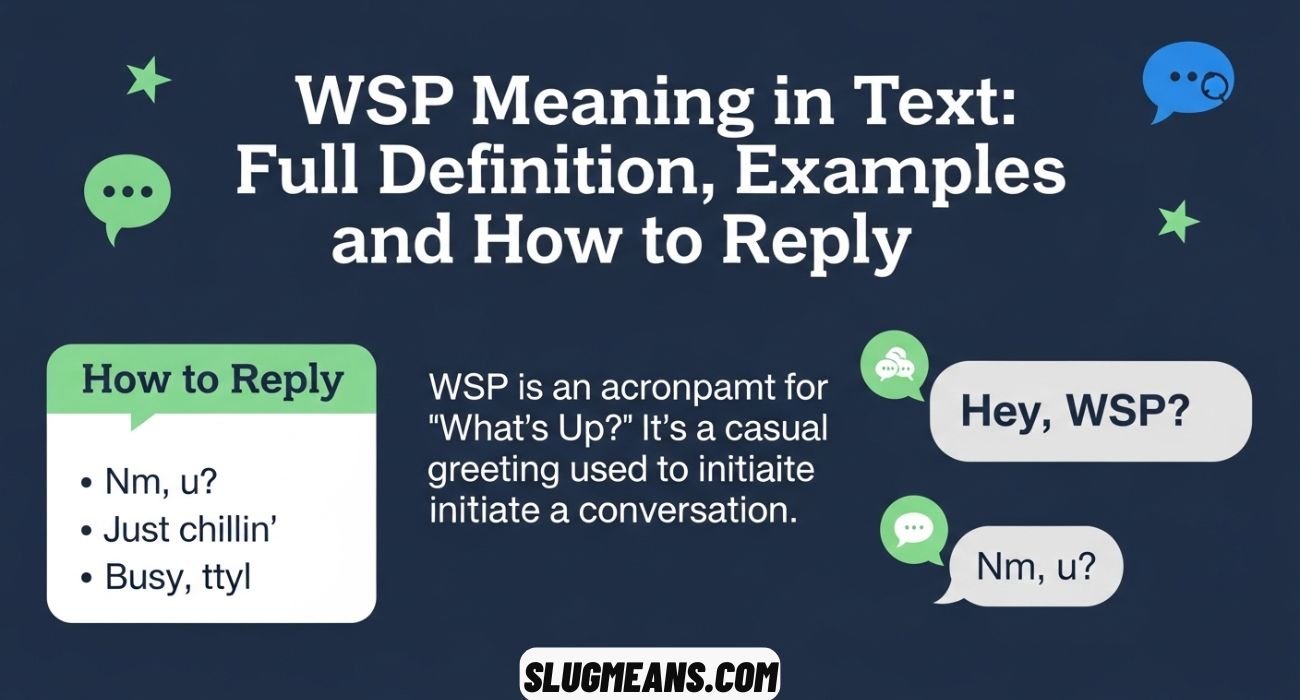
WSP Meaning in Text refers to a common texting abbreviation used in daily chats. WSP means “What’s up” and shows a casual greeting. People use it to start friendly conversations online.
You often see WSP in text messages and social media chats today. It appears in DMs, group chats, and comments. Many people want to know its meaning to reply correctly.
WSP Meaning in Text reflects modern digital communication style. It saves time and keeps messages short and simple. This term is popular among friends and young users.
What Does WSP Mean in Text?
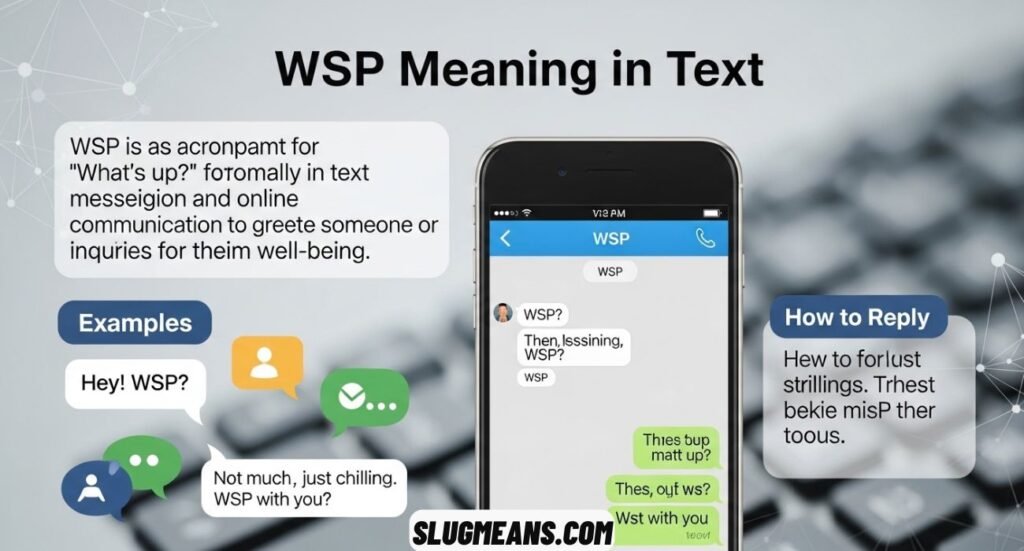
The most common and widely accepted answer to what does wsp mean in text is very simple. WSP means “What’s up?”. The wsp meaning in texting is a casual and friendly way to start a conversation or check in with someone. It does not ask for a long answer. Instead, it invites the other person to share what they are doing, how they are feeling, or what is going on at that moment.
In American texting culture, the wsp meaning in chat is relaxed and informal. People use it instead of typing full sentences because texting is meant to be fast and easy. The wsp slang meaning comes from shortening spoken language, just like people say “sup” instead of “what’s up” in real life. When you look at the meaning of wsp in messages, it always carries a friendly tone unless the context clearly says otherwise.
Why People Use WSP Instead of “What’s Up?”
One major reason people use WSP is speed. Texting culture in the USA values quick replies and short phrases. Typing three letters feels easier than typing two full words. This is why the wsp abbreviation meaning fits perfectly into modern digital habits.
Another reason is tone. WSP feels more casual and relaxed. It shows comfort and familiarity between people. In many cases, it feels warmer than a formal greeting. Among younger users, especially those familiar with texting slang meanings and internet slang terms, WSP sounds natural and friendly. Over time, this abbreviation became part of everyday online chat language and digital communication slang, especially in messaging apps.
How to Pronounce WSP (Texting Tone)
Even though WSP is written, most people “hear” it in their head when reading it. Usually, it sounds like “wassup” or “what’s up.” The tone depends on how it is written and what emojis are added. A plain “WSP?” feels neutral. “WSP 😄” feels friendly. “WSP 👀” can feel curious or playful.
This shows how flexible the wsp informal meaning is. The letters stay the same, but the emotion changes based on context. This is common with short forms in texting and informal text greetings, where tone comes from emojis, timing, and relationship.
Common Meanings of WSP (All Possible Interpretations)
In texting, WSP almost always means “What’s up?”. However, in rare cases, it can mean other things depending on context. The table below shows different meanings and where they are used.
| Term | Meaning | Context |
| WSP | What’s up? | Texting, chatting, DMs |
| WSP | Rare, app-related talk | |
| WSP | Web Service Provider | Technical or IT use |
| WSP | With Special Permission | Formal documents |
In casual conversations, especially in the USA, the wsp text message meaning is nearly always “What’s up?”. Other meanings are uncommon and usually clear from context.
Examples of “WSP” Used in Text Conversations
Understanding real conversations helps make sense of slang. Below are wsp message examples written in natural chat style.
A friend texting another friend might say, “WSP bro?” and the reply could be, “Not much, just relaxing.”
A casual DM might look like, “Hey, WSP? Haven’t talked in a while.”
In a group chat, someone could write, “WSP everyone, ready for tonight?”
A classmate might text, “WSP in class today? I was absent.”
These examples show how wsp used in conversation works in different situations. The message is short, friendly, and open-ended.
When You Should Use WSP (Best Situations)
WSP works best in casual settings. It fits perfectly when talking to friends, classmates, teammates, or people you already know. It is common in DMs, group chats, gaming chats, and social media comments. In these spaces, casual greetings in text feel natural, and abbreviations are expected.
In American culture, WSP is widely understood across age groups that are active online. It blends well with common chat abbreviations, social media acronyms, and other modern slang words that people use daily.
When You Should NOT Use WSP
Even though WSP is friendly, it is not suitable everywhere. It should not be used in professional emails, formal work messages, academic communication, or official requests. In these settings, slang can seem careless or unclear.
If you are unsure whether slang is appropriate, it is better to choose a full greeting. This avoids confusion and keeps the tone respectful. Knowing where not to use slang is just as important as knowing how to reply to wsp correctly.
How to Reply to “WSP?” (Best Human-Like Replies)
Replying to WSP depends on your mood, your relationship with the sender, and the situation. The goal is to sound natural and human, not forced.
Chill & Simple Replies
A simple reply works well when you want to keep things relaxed. Saying something like “Not much, you?” or “All good here” matches the casual tone of WSP and keeps the conversation flowing naturally.
Friendly Replies
Friendly replies add warmth. For example, “Hey! Doing great, how about you?” feels open and welcoming. This style is common in everyday messaging app slang and friendly chats.
Flirty Replies
When there is interest between two people, WSP can turn flirty. A reply like “Better now that you texted 😉” changes the tone completely. This shows how slang adapts based on context and emotion, which is common in DM slang meanings.
Busy Replies
If you are busy, honesty works best. Saying “A bit busy right now, what’s up?” keeps the reply polite and shows interest without committing to a long chat.
Funny Replies
Humor is very popular in texting. A funny reply like “Just surviving the day” or “Running on coffee” makes the conversation light and engaging.
See Also : WYFF Meaning in Text: Complete Guide for 2026
Why WSP Became So Popular (A Cultural Insight)
WSP became popular because it fits modern digital life. People want fast, easy, and friendly communication. Short messages save time and feel less formal. In the USA, texting culture values efficiency and personality, and WSP offers both.
Younger generations, especially those familiar with teen texting slang and Gen Z slang terms, helped spread WSP across platforms. Social media, gaming, and constant online interaction turned it into a normal greeting. As one linguist once said, “Language evolves with the people who use it.” WSP is a perfect example of that evolution.
Difference Between WSP and Similar Slang Terms
Many slang greetings exist, and each has a slightly different feel. WSP feels neutral and friendly. SUP is even shorter and more casual. WYD asks directly what someone is doing. HMU invites further contact. These are all part of abbreviations used in texting and informal text greetings, but WSP remains one of the most balanced and widely accepted.
Is WSP Considered Rude?
A common question is is wsp rude or polite. The answer is that WSP is not rude by itself. It is informal, but not disrespectful. However, tone matters. Using it with strangers or in serious situations can feel careless. With friends and peers, it is perfectly polite and normal.
Is WSP Flirty?
WSP alone is not flirty. It becomes flirty when paired with emojis, timing, or previous conversation history. A late-night “WSP 😘” feels very different from a daytime “WSP?”. This flexibility is why the wsp greeting meaning depends heavily on context.
WSP in Different Age Groups (How Usage Varies)
Teens (13–19)
Teens use WSP very frequently. It is part of their daily online chat language and blends easily with emojis and memes.
Young Adults (20–30)
Young adults also use WSP often, especially in casual chats and DMs. They understand when to use it and when to avoid it.
Adults (30+)
Adults usually understand the meaning but may not use it as often. They might prefer full greetings unless chatting casually.
Older Generations
Older users may not recognize WSP unless they are active on social media. For them, full phrases feel clearer.
WSP in Gaming Culture
In gaming, speed matters. Players cannot type long messages during gameplay. This is why short slang like WSP fits perfectly. It allows players to greet teammates or start conversations without interrupting the game. Along with other social media acronyms and gaming slang, WSP has become common in gaming chats.
WSP in Social Media Trends
On platforms like Instagram, TikTok, Snapchat, and Twitter, WSP appears everywhere. It is used in comments, captions, and DMs to quickly connect with others. This wsp social media meaning shows how slang helps people interact easily and casually online.
How WSP Fits into Modern Texting Culture
WSP has become a natural part of daily texting because people prefer fast and relaxed communication. Instead of typing full sentences, users choose short expressions that feel friendly and effortless. In the USA, this habit reflects how texting is more about connection than perfect grammar or formality.
Modern texting culture values tone and speed over structure. WSP works well because it sounds casual and open. It allows conversations to begin without pressure, making it easier for people to respond naturally. This simplicity is why WSP blends smoothly into everyday chats.
The Role of WSP in Casual Online Conversations
In casual online conversations, WSP acts as a digital icebreaker. It helps start a chat without sounding too serious or demanding. People use it when they want to check in, reconnect, or simply see what the other person is doing at the moment.
Because WSP does not expect a detailed reply, it feels comfortable. This makes it popular among friends and peers. The relaxed tone reduces social pressure and encourages easy back-and-forth communication.
Why WSP Sounds Friendly and Approachable
WSP feels friendly because it mirrors how people speak in real life. When someone says “what’s up” out loud, it sounds warm and informal. Writing it as WSP keeps the same feeling while fitting the fast pace of texting.
This friendly tone helps build comfort between people. It signals openness and familiarity, which is important in digital conversations where body language and voice are missing. That emotional softness makes WSP appealing.
How Context Changes the Meaning of WSP
The meaning of WSP can change depending on who sends it and when it is sent. A message from a close friend feels relaxed, while the same message from a stranger may feel unexpected. Context always shapes how slang is understood.
Timing also matters. A late-night WSP might feel personal or curious, while a daytime WSP feels casual. Emojis and previous conversation history further influence how the message is received.
WSP as a Conversation Starter in the USA
In the USA, WSP is widely accepted as a normal way to start conversations. People use it in texts, DMs, and group chats without thinking twice. It feels natural and socially acceptable in informal settings.
Because American texting culture favors relaxed greetings, WSP fits perfectly. It allows people to open a conversation without sounding stiff or overly formal, which matches modern communication habits.
How WSP Reflects Short Attention Spans Online
Online communication often happens quickly, with people multitasking throughout the day. WSP reflects this reality by offering a fast way to connect. It saves time while still showing interest in the other person.
Short greetings like WSP respect the limited attention people have. They make it easier to reply without stopping everything else. This efficiency helps explain why such abbreviations continue to grow in popularity.
See Also : ASF Meaning in Text and Chat: Slang, Context, and Usage Explained
Emotional Tone Behind a Simple WSP Message
Even though WSP is short, it still carries emotional tone. Depending on how it is sent, it can feel caring, curious, playful, or neutral. This emotional flexibility makes it powerful despite its simplicity.
People rely on emojis, punctuation, and timing to shape that tone. A simple question mark feels calm, while added emojis can change the emotional message completely. This shows how meaning goes beyond words.
How WSP Builds Social Comfort in Chats
WSP helps reduce awkwardness in conversations. When people are unsure how to start talking, a simple WSP feels safe and low-pressure. It does not demand a specific answer, which makes responding easier.
This comfort is important in social interactions. By lowering expectations, WSP helps conversations flow naturally. It encourages connection without forcing depth too quickly.
Why WSP Works Well Across Different Platforms
WSP works equally well on texting apps, social media, and gaming chats. Its simplicity makes it adaptable across platforms with different communication styles. Whether in a DM or group chat, it feels appropriate.
Because it is short, WSP fits character limits and fast replies. This versatility helps it remain relevant across changing platforms and trends in digital communication.
The Future of WSP in Digital Language
As digital language continues to evolve, WSP is likely to remain common. Its simplicity and friendliness match how people prefer to communicate online. Slang that feels natural tends to last longer.
Even as new terms appear, WSP’s basic function stays useful. It shows that not all slang needs to be complex. Sometimes, the simplest expressions survive the longest in everyday communication.
FAQs
What does WSP mean in text?
WSP means “What’s up?” and is used as a casual greeting to start a conversation or check in with someone.
Is “wsp” used on social media?
Yes, WSP is commonly used on social media in DMs, comments, and story replies as a quick, informal greeting.
Are there different meanings of “wsp”?
In texting, WSP almost always means “What’s up?”, while other meanings are rare and usually not used in casual chats.
How is “wsp” used in text messages?
WSP is usually sent at the start of a message to casually ask what someone is doing or how things are going.
Conclusion
The WSP Meaning in Text explains a simple and friendly way people start conversations online. The term means “What’s up” and shows casual interest in how someone feels or what they do. People in the United States use it often in text messages and social media chats. The word helps conversations feel relaxed and natural between friends.
The WSP Meaning in Text also shows how language changes with digital life. Short forms save time and make messages easy to send and read. This term fits modern communication habits and helps people connect quickly. Learning such meanings improves understanding and supports clear and confident communication in daily online interactions.