Glazing Slang Explained: Why Everyone’s Saying It and What It Means
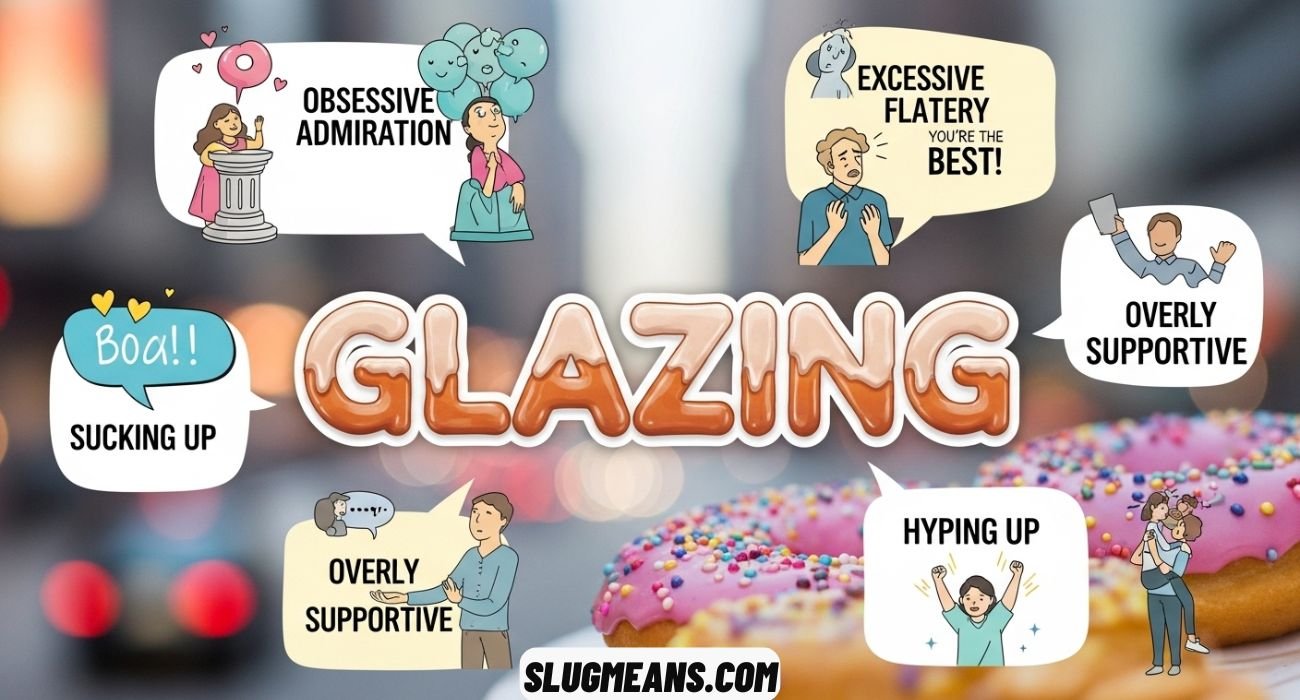
Glazing slang means praising someone too much in a forced way. It describes over-the-top admiration online. People use it when praise feels fake. The term appears often in social media comments. It helps explain modern internet behavior.
This word appears everywhere on social media today. People use it in jokes and reactions. It sounds funny and easy to say. Many users repeat it in comments. That is why it spreads so fast online.
Glazing Slang Explained helps readers understand this popular term. It shows how young people talk online. It explains why praise can feel excessive. The meaning fits modern digital culture. This guide makes the slang easy to understand.
What Does “Glazing” Mean in Slang?
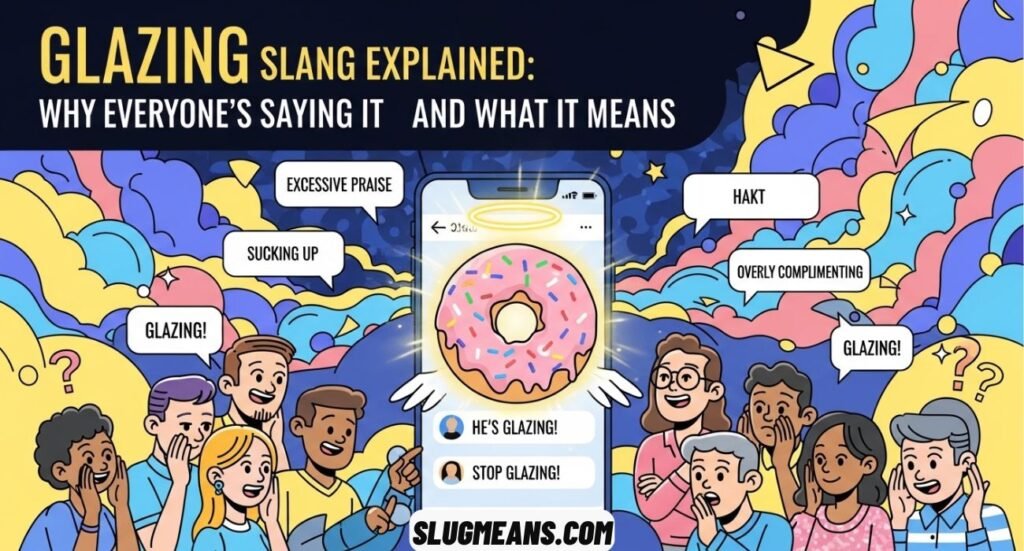
To understand modern internet talk, the first question most people ask is what does glazing mean in slang. In simple terms, the glazing slang definition refers to excessively praising someone, hyping them up too much, or admiring them in a way that feels forced, fake, or embarrassing. When people say someone is glazing, they usually mean that person is doing too much with compliments.
In glazing internet slang, the praise often feels unnecessary or exaggerated. It is not normal appreciation; it is over-the-top admiration that makes others uncomfortable or amused. This is why glazing is often used as a joke or mild insult rather than a serious accusation. The glazing social media meaning is closely tied to comment sections, reaction videos, and fandom discussions where people defend or praise influencers, celebrities, athletes, or streamers without any criticism.
This word fits perfectly into glazing gen z slang because Gen Z humor is built on irony, exaggeration, and calling out behavior that feels fake or performative. As glazing slang 2026 continues to be used, it remains one of the clearest examples of how internet users label extreme admiration.
The Origins of “Glazing” in Slang
The origins of glazing slang are rooted in online spaces rather than dictionaries. It emerged gradually through digital culture slang, especially in gaming chats, sports debates, and influencer comment sections. Before glazing became common, people used older phrases like “brown-nosing” or newer ones like “simping.” Over time, glazing replaced them because it sounded fresher and more visual.
In early usage, glazing appeared in memes and jokes that compared praise to literally coating someone with something shiny. This metaphor made it perfect for online slang explanations, because the image of “covering someone in compliments” is easy to understand. As part of internet language trends, the word spread quickly once popular creators and meme pages started using it repeatedly.
By the time it reached mainstream platforms, glazing had become one of the most recognizable meme slang meanings, especially among American users who follow sports, gaming, or influencer culture.
The Deeper Meaning Behind “Glazing”
At a deeper level, glazing slang reflects how people behave online today. Social media rewards attention, likes, and approval, which encourages people to praise others loudly and publicly. The problem is that too much praise feels dishonest. This is why glazing became an over praising slang term and a label for behavior that looks like clout chasing.
In modern slang words meaning, glazing is not just about compliments. It is about performance. People glaze to be noticed, to feel included, or to align themselves with popular figures. Calling someone out for glazing is a way of defending authenticity. It tells people to relax and stop trying so hard.
This is why glazing fits perfectly into discussions about viral slang terms 2026. It describes a social habit that exists everywhere online.
Common Examples of “Glazing” in Sentences
The best way to understand slang is through real usage. Below is a table showing how glazing appears naturally in conversations and what it means in each situation.
| Situation | Example Sentence | Meaning |
| Overpraising a creator | “You’re glazing him so hard, he’s just a streamer.” | Excessive admiration |
| Sports debates | “Stop glazing, that player had one good game.” | Overhyping someone slang |
| Friendly teasing | “You’re glazing your best friend again.” | Playful joke |
| Online arguments | “This comment section is pure glazing.” | Praising too much slang |
These examples show how reaction meme slang and humor shape how glazing is used daily.
Is “Glazing” the Same as “Simping”?
Many people confuse glazing with simping, but they are not the same. The debate around glazing vs simping comes up often in comment sections. The simping vs glazing difference lies mainly in intention and context.
Simping usually involves romantic feelings or attraction. Glazing, however, does not need romance at all. You can glaze an athlete, a streamer, or even a brand. This makes glazing broader and more flexible. While simping can feel emotional, glazing often feels performative or strategic.
Related phrases like meat riding slang meaning are considered harsher versions of glazing. These terms are often used as insults, while glazing can still be playful.
When Did “Glazing” Become Popular?
Glazing became widely popular in the United States between late 2023 and 2024. It exploded in sports commentary, gaming streams, and TikTok reaction videos. Many creators started using it casually, which helped it spread quickly across platforms.
By the time people started searching for new slang words 2025 2026, glazing was already everywhere. Its popularity grew because it worked in so many situations and matched the tone of internet humor perfectly.
Why People Use the Word “Glazing”
People love slang that is short, funny, and expressive. Glazing works because it communicates a complex idea instantly. It is part of slang used on TikTok, gaming slang terms, and fandom slang language, making it versatile.
It also functions as social media humor slang, allowing users to criticize behavior without sounding serious or angry. This makes glazing a favorite among younger users who value sarcasm and irony.
Cultural and Social Layers of “Glazing”
Glazing reflects modern online culture where admiration is public and constant. In influencer culture, fans often defend creators aggressively. This is why glazing overlaps with clout chasing slang and influencer slang terms.
Calling out glazing is a way to challenge performative fandom. It also connects to celebrity fan slang, where blind loyalty is often mocked rather than praised.
Glazing in Different Contexts
Outside of slang, glazing has traditional meanings in food, art, and architecture. This contrast adds humor to the slang version. The idea of “coating” someone fits perfectly with excessive praise.
| Context | Meaning |
| Slang | Excessive admiration |
| Food | Shiny coating on dishes |
| Art | Layering paint |
| Architecture | Glass panels |
This overlap makes the slang version more memorable.
How to Use “Glazing” Without Sounding Cringe
Using slang incorrectly can feel awkward. To avoid that, people should use glazing casually and with humor. The phrase stop glazing meaning is usually joking, not aggressive. Expressions like bro glazing slang work best among friends.
Overusing it can make it lose impact, so timing matters.
Psychological Insight: Why We Glaze Others
From a psychology point of view, glazing connects to validation and belonging. People praise others to feel accepted. However, when admiration turns extreme, it becomes slang for fake praise or slang for obsessive fans.
Calling out glazing helps restore balance and keeps interactions playful instead of uncomfortable.
The Role of Humor in “Glazing”
Humor is the reason glazing survives. It is rarely used seriously. It thrives in memes, jokes, and sarcastic comments. This is why it fits perfectly into sports slang glazing and streamer slang words, where playful roasting is common.
Related Slang Terms You Should Know
Understanding glazing is easier when you know similar slang. Terms like fanboy slang term and gen z internet slang list entries often appear alongside glazing. These words create a shared vocabulary that helps people navigate online conversations.
The Evolution of Modern Slang
Every generation creates its own words. Glazing replaced older phrases and now stands as part of youth slang vocabulary. As language continues evolving, glazing shows how internet culture reshapes everyday communication.
Is “Glazing” Offensive?
Most of the time, glazing is not offensive. It depends on tone. Used jokingly, it is harmless. Used aggressively, it can feel insulting. Context always matters.
See Also : YN Slang Meaning: Discover How and Why Everyone Uses It
The Future of “Glazing” in Slang
Like all slang, glazing may fade one day. But the behavior it describes will not. Excessive praise will always exist, and language will keep finding new ways to describe it. For now, glazing remains one of the clearest examples of how internet culture turns everyday behavior into humor.
In the end, understanding glazing someone meaning helps you understand modern online life. Once you know it, you will see it everywhere, and you will probably laugh when you do.
Why “Glazing” Became a Viral Slang Word
The slang word glazing became viral because it perfectly describes a behavior people see online every day. On social media, many users praise influencers, athletes, or creators far too much. The word glazing gives people a quick and funny way to call out this over-the-top admiration without sounding too serious.
Another reason glazing spread so fast is meme culture. Short, catchy slang works well in comments and reaction videos. When creators and viewers repeat a word in jokes, it quickly becomes part of everyday internet language. That is exactly how glazing moved from niche communities into mainstream slang.
How Americans Commonly Use “Glazing” Online
In the United States, glazing is mostly used in casual online conversations. You will see it in TikTok comments, YouTube live chats, sports debates, and gaming streams. People often say things like “stop glazing” or “he’s glazing hard” to joke about someone praising another person too much.
American internet culture loves playful roasting. Glazing fits perfectly into that style of humor. It allows people to criticize behavior without being aggressive. Because of this, the term feels light, funny, and socially acceptable in most online spaces.
Glazing as a Call-Out for Fake Praise
Glazing is often used as slang for fake praise. When someone defends a celebrity or influencer no matter what, others may accuse them of glazing. This suggests the praise is not honest but motivated by attention, likes, or clout. The word quickly exposes behavior that feels forced.
Online communities value authenticity. When people sense exaggeration, they push back using humor. Glazing acts as a social correction tool. Instead of arguing seriously, users drop the word glazing to signal that the admiration has gone too far.
Why Glazing Is Popular in Sports and Gaming
Sports and gaming communities helped glazing slang grow rapidly. Fans often overhype players, teams, or streamers, which leads to intense debates. Saying someone is glazing is an easy way to dismiss biased opinions without starting a long argument.
In gaming streams, viewers constantly praise their favorite creators. Other viewers may joke that the chat is glazing. This keeps the conversation entertaining and balanced. Because competition and loyalty are strong in these spaces, glazing slang feels especially natural there.
The Role of TikTok in Spreading Glazing Slang
TikTok played a huge role in making glazing mainstream. Reaction videos, stitched clips, and comment sections gave the word massive exposure. When one creator uses a slang term repeatedly, millions of viewers quickly adopt it into their own vocabulary.
TikTok also encourages short, humorous language. Words like glazing are perfect for quick jokes and captions. As a result, the slang moved from TikTok into Twitter, Instagram, and everyday conversations, especially among younger users.
How Glazing Reflects Modern Internet Behavior
Glazing reflects how people perform online. Social media rewards extreme reactions, whether positive or negative. Excessive praise often feels strategic rather than genuine. Glazing slang exists because people notice this pattern and want a word to describe it.
Calling out glazing helps users protect social balance. It reminds people not to lose authenticity. This makes glazing more than just a joke. It becomes a way to comment on how attention and approval work in digital spaces.
Glazing Compared to Older Slang Terms
Before glazing, people used phrases like brown-nosing or simping. These terms served a similar purpose but fit older cultural moments. Glazing feels more visual and modern, which makes it appealing to today’s internet users.
Each generation updates language to match its humor style. Glazing replaced older expressions because it sounds fresh and meme-friendly. This shows how slang evolves while still describing familiar human behavior.
Why Glazing Is Rarely Used Offline
Glazing is mainly an online slang term. In real-life conversations, people rarely use it because its meaning depends heavily on internet culture. Without context, it can confuse listeners who are not active on social media.
Offline, people still understand the behavior but use different words. Online spaces need faster, sharper language. That is why glazing thrives digitally while staying uncommon in face-to-face conversations.
When Glazing Turns from Joke to Insult
Most of the time, glazing is playful. However, tone matters. When used aggressively, it can feel insulting. Calling someone out publicly for glazing may embarrass them, especially in large comment sections.
The difference lies in intention. Friendly teasing builds humor, while harsh delivery creates conflict. Like all slang, glazing depends on context. Knowing when and how to use it is key to avoiding negativity.
See Also : Muse Meaning Slang: Explained Simply & Clearly 2026
Will Glazing Survive Future Slang Trends?
Slang changes quickly, so glazing may not last forever. New words will appear to describe the same behavior. However, the concept behind glazing will always exist because people will always overpraise others.
Even if the word fades, it represents this era of internet culture. For now, glazing remains a clear and relatable term that captures how admiration, humor, and sarcasm mix online.
FAQs
What does glazing someone mean in slang?
It means giving someone too much praise or admiration, often in a way that feels fake or unnecessary rather than genuine.
What does glazing mean to Gen Z?
For Gen Z, glazing is overhyping someone online, usually said as a joke to call out clout-chasing or blind support.
What does it mean when a guy says glazing?
When a guy says glazing, he is usually mocking or teasing excessive praise, especially in sports, gaming, or social media arguments.
Why are people glazing?
People glaze to gain attention, approval, or social validation, especially in online spaces where praise brings visibility.
Conclusion
Glazing slang shows how online language keeps changing with culture and humor. This article, Glazing Slang Explained, shows that glazing means giving too much praise in a way that feels forced or unnecessary. People use this word to point out exaggeration and fake support. It helps young users understand social behavior and communicate clearly in digital spaces.
Glazing Slang Explained also teaches the importance of balance and honesty in online conversations. Praise works best when it stays real and respectful. This slang reminds people to avoid overdoing admiration and to stay genuine. As language grows with the internet, words like glazing help shape how people express opinions in a modern and responsible way.