100+ Roasts That Rhyme: Clever, Funny & Savage Rhyming Insults for Every Occasion
Roasts That Rhyme are funny jokes or playful insults that use rhyming words. They sound clever, smooth, and easy to remember. People use them to make friends laugh during light-hearted conversations.
A good rhyme can turn a simple joke into a memorable one. Clever words and good timing make every roast more entertaining. Funny rhymes often get shared because they are easy to remember.
This guide shares the best Roasts That Rhyme for different situations. You will also learn why rhyming jokes work so well and how to create your own. With a little practice, you can make your jokes smarter and more fun.
Why Rhyme-Based Roasts Pack a Punch
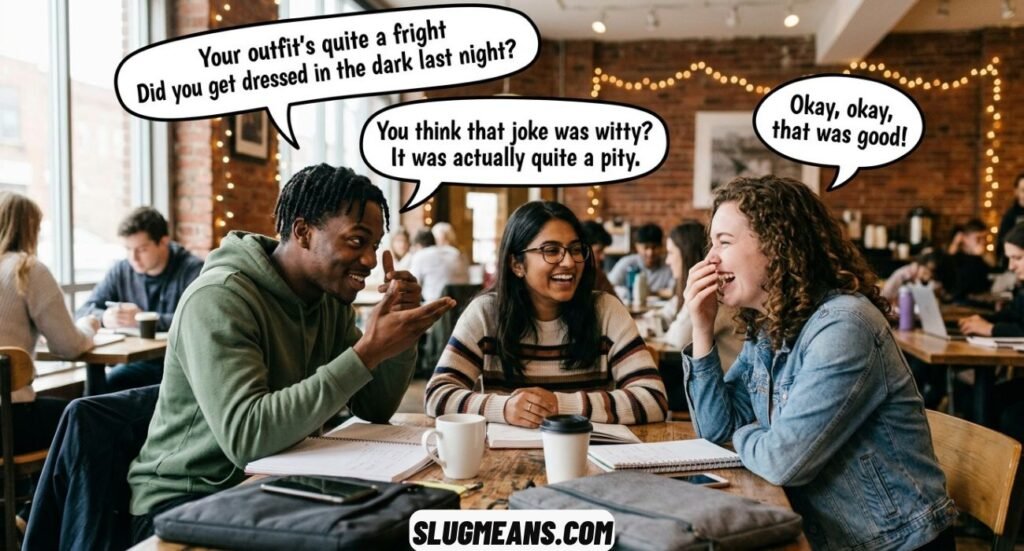
A regular insult may get a quick reaction, but a rhyme sticks in people’s minds. That’s because our brains naturally recognize rhythm and repetition. From nursery rhymes to song lyrics and famous movie quotes, people remember words that flow together.
The same principle applies to roasts that rhyme. A clever rhyme sounds smoother, feels more creative, and often gets a bigger laugh than a plain insult. Instead of sounding mean, it comes across as witty and entertaining.
Whether it’s during friendly banter, a party, or an online conversation, funny roasts that rhyme make the speaker appear more creative while keeping the mood light.
1. The Science of Rhyme and Recall
Scientists have studied why rhymes are easier to remember for decades. One well-known concept in cognitive psychology is the “rhyme-as-reason effect.” It suggests that people tend to believe or remember rhyming statements more easily because they are simpler for the brain to process.
For example, phrases like “No pain, no gain” or “If the glove doesn’t fit, you must acquit” remain memorable largely because they rhyme. The rhythm helps the brain organize information, making it easier to recall later.
This explains why rhyming insults, clever roasts, and funorous wordplay spread quickly across social media. A short roast with a catchy rhyme is more likely to be repeated than a long, complicated joke.
Another reason is something psychologists call processing fluency. When words flow naturally together, our brains understand them faster. That extra ease often makes the statement seem funnier and smarter.
Key Takeaway
A rhyme isn’t just decoration—it makes a roast easier to remember, easier to repeat, and often much funnier.
2. Humor and Intelligence Connection
People often associate clever humor with intelligence. Writing a joke that rhymes while still making sense requires creativity, vocabulary, and timing.
Think about stand-up comedians, comedy writers, and freestyle rappers. Many rely on creative wordplay, rhyming punchlines, and quick comebacks to keep audiences engaged.
A great rhyming roast works on multiple levels.
First, it surprises the listener.
Second, it delivers an unexpected punchline.
Finally, the rhyme ties everything together in a satisfying way.
For example:
“You’re loud all day, but fade away.”
It’s short, rhythmic, and memorable.
Compare that with simply saying:
“You’re annoying.”
The second version feels plain. The first feels entertaining.
That’s why rhyming comebacks often go viral online—they sound clever without needing long explanations.
3. Emotional Impact and Entertainment Value
The biggest advantage of roasts that rhyme is that they usually sound playful rather than hostile.
Friends often tease each other because everyone understands it’s part of the joke. Adding a rhyme softens the impact and shifts attention toward the clever wording instead of the insult itself.
For example:
“Your style’s elite, but can’t take the heat.”
Most people smile because the rhythm makes it feel like a joke rather than a personal attack.
Of course, context matters.
A funny roast among close friends can strengthen friendships through shared laughter. The same words directed at someone who doesn’t appreciate joking may create hurt feelings.
The best comedians know that timing, audience, and delivery matter just as much as the words themselves.
Why Rhyming Roasts Work Better
| Regular Roast | Roast That Rhymes |
| Easy to forget | Easy to remember |
| Can sound harsh | Sounds playful |
| Less creative | Shows clever wordplay |
| Usually gets one reaction | Often gets repeated and shared |
| Plain wording | Musical rhythm keeps attention |
The combination of humor, rhythm, creative language, and clever timing is what makes rhyme-based roasts so enjoyable.
Roasts That Hurt (But Rhyme)
Not every roast has to be harsh to be effective. The funniest roasts that rhyme balance cleverness with humor, making people laugh before they even realize they’ve been roasted. The examples below are best used among friends who enjoy playful banter. Always remember that confidence and timing matter more than saying the meanest line.
1. “Your content’s thin, but your chin’s not keen.”
This roast playfully pokes fun at someone who acts like an expert but doesn’t have much to offer. The contrast between “content” and “chin” creates an unexpected rhyme that makes the line memorable.
It’s especially funny in conversations about social media, blogging, or online creators who focus more on appearance than quality.
Example:
Friend: “My videos are amazing.”
You: “Maybe—but your content’s thin, but your chin’s not keen.”
Because the rhyme flows naturally, it lands as a joke instead of a harsh insult.
2. “You brag nonstop, but your skill’s a flop.”
Everyone knows someone who talks about their talents more than they actually shows them. This roast highlights that difference in a funny way.
The rhyme between “nonstop” and “flop” makes the punchline satisfying and easy to remember.
Best Situations
- Friendly gaming sessions
- Sports banter
- School competitions
- Casual conversations among friends
A confident smile after delivering this line makes it even funnier than saying it aggressively.
3. “Acting all high, but you’re just a fly.”
This roast targets people who think too highly of themselves.
Comparing someone to a tiny fly instantly shrinks their oversized ego while keeping the joke light-hearted.
Instead of sounding cruel, the rhyme turns the comparison into clever comic wordplay.
Funny Variation
“Walking so tall, but you’re really quite small.”
Both versions rely on rhythm rather than harsh language, making them perfect examples of effective rhyming insults.
4. “Hot air flow, but nothing to show.”
Some people make big promises but rarely deliver results. This roast captures that idea in just a few words.
The image of “hot air” suggests empty talk, while the rhyme with “show” finishes the joke cleanly.
This type of roast works especially well when someone keeps making excuses instead of taking action.
Example
Someone says they’ll easily win a challenge but quits halfway through.
A quick smile followed by,
“Hot air flow, but nothing to show.”
gets the message across without turning the conversation into an argument.
See Also : Orange Heart Emoji Meaning
5. “You’re bark so loud, yet your bite’s not proud.”
Despite the slight grammatical awkwardness in the original wording, the message is clear: someone talks tough but doesn’t back it up.
It’s a playful way to tease someone who likes acting fearless but avoids real challenges.
The rhythm makes the line memorable, while the familiar saying about barking and biting helps listeners understand the joke instantly.
6. “Your game’s rusty, but your jokes feel dusty.”
Some people never stop telling the same old jokes. This roast is perfect for that friend whose humor hasn’t changed in years.
The words “rusty” and “dusty” create a smooth rhyme while painting a clear picture. Rust suggests something old and neglected, while dust hints that the jokes have been sitting around for far too long.
Best Time to Use It
This roast works well when someone repeats an old joke expecting everyone to laugh again.
Example
Friend: “I told this joke years ago, and it was hilarious!”
You: “Your game’s rusty, but your jokes feel dusty.”
The playful rhyme makes it sound clever instead of mean.
7. “Walking billboard, but your value’s nil.”
This roast targets people who care more about showing off expensive brands than developing their personality or skills.
The phrase “walking billboard” suggests someone constantly advertising labels, while “your value’s nil” reminds everyone that confidence comes from character—not clothing.
In today’s social media culture, where appearances often take center stage, this roast feels especially relevant.
Why It Works
Rather than criticizing fashion, it humorously points out that real value isn’t something you can wear.
Funny Alternative
“Designer shoes, but common views.”
8. “Gives advice like a sage, yet you live in a cage.”
Everyone has met someone who loves giving life advice but struggles to follow it themselves.
This roast highlights that contradiction in a memorable way. The rhyme between “sage” and “cage” adds rhythm while emphasizing the gap between words and actions.
Real-Life Example
Imagine someone constantly telling others how to manage money but always complaining about their own finances.
This roast playfully calls out the irony without becoming overly personal.
9. “You preach your plan, yet you don’t stand.”
Actions speak louder than words. This roast is aimed at people who make grand speeches but fail to follow through.
The short rhyme makes the message easy to understand and easy to remember.
Practical Insight
Whether it’s school projects, workplace promises, or fitness goals, people respect consistency more than empty motivation.
This roast reminds listeners that commitment matters more than talk.
Variation
“Big on speech, small on reach.”
10. “Smile like gold, but heart’s gone cold.”
Unlike many funny roasts, this one carries a slightly more serious message. It playfully points out someone who appears kind on the outside but behaves differently behind the scenes.
Because it touches on personality, it’s best used carefully and only with people who understand playful teasing.
When to Avoid It
Avoid using this roast with strangers or during emotional conversations. Humor should bring people together, not create unnecessary conflict.
11. “You posture grand, but slip in the sand.”
Confidence is great, but overconfidence often becomes funny. This roast describes someone who acts unstoppable but quickly falls apart when faced with real challenges.
The image of slipping in the sand creates a visual joke that makes the rhyme even more entertaining.
Why It’s Memorable
People naturally remember jokes that create mental pictures. This roast does exactly that while keeping the rhythm smooth.
12. “Your ideas shout, but quieter thoughts have clout.”
Some people believe the loudest voice automatically wins the conversation. In reality, thoughtful ideas often make the biggest impact.
This roast rewards intelligence over volume.
It reminds listeners that wisdom doesn’t always need to shout.
Expert Tip
Many successful speakers focus on clarity rather than loudness. Great communication comes from strong ideas, not just strong voices.
See Also : Smirking Face Emoji Meaning: What It Really Means in Texts
13. “You flex your wealth, still you can’t buy health.”
Money can purchase many things, but it can’t replace good health, meaningful relationships, or genuine happiness.
This roast uses that timeless truth to create a memorable rhyme.
Why It Resonates
People often admire financial success, but they also recognize that well-being, balance, and good health are priceless.
The roast feels clever because it highlights a universal life lesson instead of making a shallow insult.
Alternative Version
“Wallet’s fat, but imagine that.”
14. “Face of steel, but no true zeal.”
This roast playfully suggests that someone looks confident but lacks real passion or determination.
The rhyme between “steel” and “zeal” creates a satisfying ending while emphasizing the difference between appearance and motivation.
Example
Someone constantly talks about becoming successful but never starts working toward their goals.
A lighthearted rhyme like this points out the contradiction without sounding aggressive.
15. “Your attitude’s loud, your logic’s bowed.”
Sometimes people mistake confidence for correctness.
This roast reminds everyone that speaking loudly doesn’t automatically make an argument stronger.
The contrast between “attitude” and “logic” makes the joke feel smart instead of childish.
Why It Works
The best clever roasts don’t rely on name-calling. Instead, they expose contradictions in a funny way.
16. “Loud as a drum, but nothing’s to come.”
This roast is aimed at people who make huge announcements but never produce results.
The comparison to a drum creates vivid imagery. Drums make plenty of noise, but the sound alone doesn’t accomplish anything.
Everyday Example
Someone keeps saying they’ll launch an amazing project “next week,” but months pass without any progress.
This roast perfectly captures that situation.
17. “Your style is bright, but your depth’s a blight.”
Looking fashionable is great, but personality and knowledge matter just as much.
This roast humorously suggests that great style can’t hide a lack of substance.
Why It’s Effective
The rhyme encourages listeners to value character, intelligence, and authenticity instead of appearances alone.
It’s a reminder that lasting impressions come from more than good clothes.
18. “Talking like a boss, yet you floss no gloss.”
This playful roast pokes fun at people who act important without showing real leadership.
Its exaggerated rhyme makes it funny rather than harsh.
Better Delivery
Say it with a smile and relaxed tone.
The goal is laughter—not embarrassment.
A confident delivery often matters more than the words themselves.
19. “All dressed to slay, but your words don’t pay.”
First impressions matter, but communication leaves the lasting impact.
This roast gently points out that looking impressive isn’t enough if someone’s words lack meaning or kindness.
Practical Lesson
People remember how you make them feel more than what you’re wearing.
That’s why communication skills remain one of the most valuable qualities in both personal and professional life.
20. “You build a façade that’s bound to fraud.”
This final roast highlights the difference between appearance and reality.
Someone may spend a lot of effort creating a perfect image, but authenticity is what earns genuine respect.
The rhyme between “façade” and “fraud” gives the line a dramatic finish, making it one of the strongest entries on this list.
How to Deliver Roasts That Rhyme Like a Pro
Writing a clever roast is only half the battle. The way you deliver it can make the difference between getting a room full of laughs and creating an awkward silence. A confident smile, good timing, and a relaxed tone help even the funniest roasts that rhyme land exactly as intended.
Professional comedians rarely rush their punchlines. They pause just before the final rhyme to build anticipation. This simple technique gives listeners a moment to think before the clever ending arrives, making the joke feel sharper and more memorable.
Common Mistakes to Avoid When Using Rhyming Roasts
Even the best rhyming insults can fall flat if they’re forced or poorly timed. One of the biggest mistakes is trying so hard to make words rhyme that the sentence stops making sense. A natural, smooth rhyme is always funnier than one that feels awkward.
Another common mistake is crossing the line from playful teasing into personal attacks. The purpose of funny roasts that rhyme is to entertain, not to hurt someone’s feelings. Keeping the jokes light-hearted ensures everyone can laugh together instead of feeling uncomfortable.
How to Write Your Own Roasts That Rhyme
Creating original roasts that rhyme is easier than many people think. Start by choosing two simple rhyming words like “smart” and “cart” or “cool” and “fool.” Then build a sentence that sounds natural instead of forcing the rhyme into place.
Practice saying your roast out loud before using it. Reading it aloud helps you hear whether the rhythm flows smoothly. If it sounds awkward or confusing, replace difficult words with simpler ones. The best clever rhyming roasts are easy to understand and effortless to say.
See Also : Brown Heart Emoji Meaning: Complete Guide to Its Symbolism
Where Roasts That Rhyme Are Most Popular Today
Social media has helped roasts that rhyme reach a much larger audience than ever before. Platforms like TikTok, Instagram Reels, and YouTube Shorts are filled with creators sharing short rhyming comebacks, witty burns, and humorous wordplay that quickly go viral.
Outside social media, rhyme-based humor is also popular in rap battles, stand-up comedy, podcasts, and friendly gaming communities. The combination of rhythm and humor makes these jokes easy to remember, encouraging people to share them with friends both online and offline.
Why Roasts That Rhyme Never Go Out of Style
Humor changes over time, but rhymes have entertained people for centuries. From children’s nursery rhymes to famous song lyrics and classic poetry, rhythmic language naturally captures attention. That’s one reason roasts that rhyme continue to feel fresh generation after generation.
As language evolves, people invent new witty comebacks, clever wordplay, and funny rhyming insults, keeping this style of humor alive. Whether you’re joking with close friends or showing off your creativity online, a well-crafted rhyming roast remains one of the most entertaining ways to make people laugh.
FAQs
What rhymes with roast?
Words that rhyme with roast include boast, toast, coast, ghost, most, post, and engrossed (near rhyme). These words are great for creating funny roasts that rhyme.
What are some good roasts?
Good roasts are clever, funny, and playful rather than hurtful. For example: “You talk so fast, but your points don’t last.”
What is the most popular roast?
One of the most popular roasts is, “I’d agree with you, but then we’d both be wrong.” It’s a classic because it’s witty, short, and easy to remember.
What rhymes with P. Diddy?
Words and phrases that rhyme or closely rhyme with P. Diddy include pretty, witty, city, gritty, committee, and nitty-gritty, making them useful for playful rhymes and jokes.
Conclusion
Roasts That Rhyme make jokes more fun because they use simple words, clever rhymes, and good timing. A short rhyme is easy to remember and often brings more smiles than a normal insult. The best roasts stay friendly and respectful, so everyone can enjoy the moment. When you use Roasts That Rhyme, focus on being creative instead of being mean. A smart rhyme shows confidence and makes your words sound more interesting.
You can also create your own Roasts That Rhyme by using easy rhyming words and keeping your sentences short. Practice your lines until they sound smooth and natural. Always think about your audience and choose humor that fits the situation. With a little practice, your rhyming jokes will become funnier and more memorable. Keep your words kind, enjoy the laughter, and let your creativity shine every time you use Roasts