Fein Slang Meaning Explained: From Street Talk to TikTok
The Fein Slang Meaning explains a word used to show strong desire or obsession. People say fein when they really want something. It often sounds playful and casual. The word appears in texting, music, and social media.
The Fein Slang Meaning appears everywhere online today. People see it on TikTok, in songs, and in memes. Many readers want to understand it clearly. This makes the word popular and interesting.
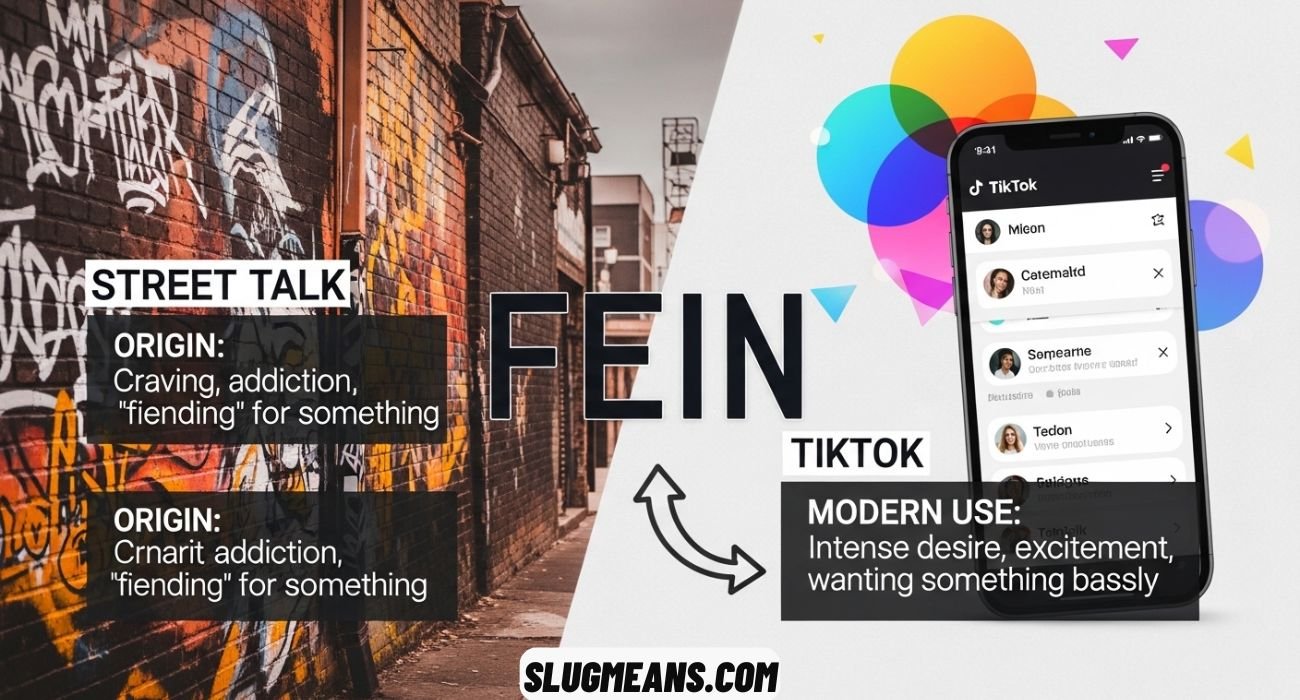
The Fein Slang Meaning comes from street language in the United States. It changed over time and became more friendly. People now use it for jokes and expression. The word shows modern slang culture.
What Does “Fein” Mean in Slang?

The fein slang meaning refers to someone who strongly wants, craves, or is obsessed with something. When people ask what does fein mean, the simple answer is that it describes intense desire. The fein meaning slang does not always relate to drugs or serious addiction. In modern usage, it often sounds playful, exaggerated, or humorous. The slang term fein can describe craving food, attention, money, love, or even sleep.
In everyday American speech, the meaning of fein in slang depends on tone. Friends might joke about being a coffee fein or a shopping fein. Online, the word often appears as exaggeration rather than a literal problem. This flexible use is what makes fein urban slang so popular. It works in jokes, memes, captions, and casual talk, especially among younger audiences who enjoy expressive language.
The Origin of “Fein” in Slang
Understanding the fein slang origin helps explain why the word feels powerful. Fein comes from the older English word “fiend.” The fiend slang meaning originally described someone addicted to drugs, especially in American street language during the 20th century. Over time, pronunciation shaped spelling, and “fiend” slowly turned into “fein” in spoken and written slang.
In fein street slang, this shift happened naturally through sound and culture. In many communities, especially within AAVE slang terms, words are reshaped to match pronunciation and rhythm. As slang moved into music and later into the internet, “fein” became the preferred spelling. This change is a clear example of slang evolution, where meaning softens and expands instead of disappearing.
How “Fein” Is Used in Modern Culture (2026 Update)
In 2025 and moving into fein slang 2026, the word is more popular than ever. The modern slang fein appears across platforms like TikTok, Instagram, and text messages. The fein meaning social media is usually playful, dramatic, or ironic. People exaggerate cravings to make content more relatable and funny.
The fein meaning on TikTok is especially important. Short videos often use the word to show over-the-top desire, such as craving food late at night or wanting attention from someone. The fein meaning in text is similar, often used casually between friends. This usage shows how TikTok slang words quickly become part of everyday American English and turn into viral slang meanings.
Fein Meaning in Rap and Hip-Hop
The fein meaning in rap is deeply connected to hustle, ambition, and survival. In fein meaning hip hop, the word often describes hunger for success rather than literal addiction. Rappers use it to express motivation, pressure, and desire for progress. This metaphorical meaning helped move the word away from purely negative associations.
In fein lyrics slang, the word sounds raw and emotional. It fits naturally into slang in rap culture, where short and powerful words carry heavy meaning. Because rap strongly influences American slang, this usage helped “fein” spread into mainstream speech and become accepted outside music.
Fein vs. Fiend: What’s the Difference?
The comparison of fiend vs fein is important for clarity. Fiend is the standard English spelling and appears in dictionaries. Fein is the slang version, shaped by sound and culture. While the meanings overlap, their tone is different. Fiend sounds more formal and serious, while fein feels casual and modern.
The difference matters in context. Using fiend in writing feels neutral, but using fein signals street awareness and modern slang. This contrast shows how American English adapts words to fit different social spaces, especially online.
How to Use “Fein” in Everyday Conversation
People often wonder how fein used in conversation should sound natural. In casual American speech, it usually appears as exaggeration. Friends joke about being obsessed with food, shows, or attention. These fein slang examples show that the word is more about expression than accuracy.
As slang for obsessed or slang for craving something, fein works best when the situation is light. It fits informal talk, social media captions, and jokes. Using it seriously can sound harsh, so tone always matters.
When “Fein” Can Sound Negative
Despite its playful side, fein can still sound negative in certain situations. When connected to real addiction or harmful behavior, it returns to its older meaning. In these cases, it becomes part of addiction slang terms, which can feel judgmental or insensitive.
This is why context matters. Using fein jokingly is common, but using it to describe real struggles may come across as disrespectful. Understanding this balance is key to using slang responsibly.
Linguistic Breakdown: Why “Fein” Works So Well
From a language perspective, fein is effective because it is short, emotional, and flexible. As slang for desire or craving slang, it communicates intensity in one syllable. This efficiency is perfect for texting, captions, and memes.
The phonetic spelling also helps. Words that look how they sound are easier to remember and spread. This is why internet slang explained often comes down to simplicity and emotion. Fein fits both perfectly.
Fein in Pop Culture and Memes
In pop culture, fein often appears in memes about exaggerated behavior. People joke about entering “fein mode” when craving something small. This humor shows how obsession slang can become playful instead of serious.
Memes help slang survive because they make words relatable. Fein has become a symbol of modern digital humor, especially among American youth who enjoy dramatic self-expression.
Fein in Relationships and Flirty Contexts
In romantic or flirty conversations, fein takes on a teasing tone. Someone might joke that another person is feining for attention or affection. This use softens the word and turns it into one of many playful slang words used in relationships.
Here, fein signals interest without sounding too serious. It allows people to express desire casually, which fits modern dating culture and online communication.
Fein in the Music Industry and Street Language
Beyond rap, fein exists across street language in the U.S. It reflects ambition, pressure, and desire to succeed. These themes connect strongly to American street narratives, making fein a lasting expression.
Its continued use shows how street slang terms influence mainstream language. Words like fein survive because they express emotion clearly and authentically.
The Evolution of “Fein” (Timeline Overview)
The journey of fein shows how slang changes meaning over time. The table below highlights this evolution clearly.
| Time Period | Usage Context | Meaning Shift |
| 1800s | Old English | Evil spirit or demon |
| Early 1900s | Street language | Drug addiction |
| 1980s–1990s | Hip-hop culture | Hunger and obsession |
| 2010s | Internet slang | Phonetic spelling “fein” |
| 2020s–2026 | Social media | Playful craving or desire |
This timeline shows how a dark word transformed into expressive modern slang.
Synonyms and Related Slang Words
Fein belongs to a larger family of slang words. Other terms with similar meaning include slang for obsession, craving, or desire. While these words overlap, fein stands out because it mixes humor with intensity. This flexibility keeps it relevant as slang continues to evolve.
Common Misunderstandings About “Fein”
Many people believe fein only refers to drugs, but that is no longer true. Others think it is a new word, even though it has deep roots. These misunderstandings happen because slang meanings shift faster than dictionaries update.
Understanding context helps avoid misuse. Fein is not automatically offensive, but it should be used thoughtfully.
Expert Insight
A sociolinguistic perspective helps explain fein’s success.
“Words like fein show how modern slang softens harsh meanings and turns them into tools for humor and identity,” notes a U.S.-based language researcher. This insight explains why fein continues to thrive online and offline.
Why the Word “Fein” Feels So Powerful in Slang
The word fein feels powerful because it expresses strong emotion in a very short way. When people use slang, they want words that sound intense but still casual. Fein does exactly that. It shows desire, obsession, or hunger in a single word that feels emotional and expressive.
In American slang culture, words that feel dramatic often spread faster. Fein sounds bold and sharp, which makes it memorable. Because it can be used jokingly or seriously, people enjoy using it in many situations. This flexibility is why fein continues to stay popular in modern slang.
How Social Media Helped Fein Become Mainstream
Social media platforms helped push fein from street slang into everyday language. When people started using it in captions, comments, and jokes, the word became familiar to a much wider audience. TikTok especially played a big role in spreading its meaning quickly.
Once a slang word becomes common online, it often moves into real-life conversation. Fein followed this exact path. People saw it used humorously, copied it, and then began using it naturally. This shows how internet culture strongly shapes modern American English.
Why Fein Is Popular Among Younger Generations
Younger generations enjoy slang that feels expressive and emotional. Fein works well because it exaggerates feelings in a fun way. Saying you are a fein for something sounds stronger and more dramatic than simply saying you like it a lot.
Gen Z and Gen Alpha also enjoy playful language that feels personal. Fein allows them to show personality, humor, and desire without sounding too serious. This emotional flexibility makes it appealing in texting, memes, and casual conversation.
See Also : Stud Meaning Slang: What It Really Means in Modern English
Fein as a Reflection of American Street Culture
Street culture in the United States often creates slang that reflects real-life struggle and desire. Fein originally came from this environment, where words carried strong emotional meaning. Over time, the word kept that intensity even as its meaning became softer.
Using fein still carries a sense of authenticity. It connects speakers to urban culture and street language, even when used jokingly. This connection to real experiences is why the word still feels meaningful rather than empty slang.
How Fein Shows the Evolution of Language
Fein is a great example of how language changes over time. A word that once had a negative meaning slowly shifted into something more playful and flexible. This kind of change happens often in slang, especially when younger people adopt older terms.
As pronunciation changes, spelling changes too. Fein reflects how spoken language influences written language online. This evolution shows that language is not fixed but shaped by culture, technology, and everyday use.
Why Fein Works Better Than Similar Slang Words
Many slang words describe obsession or craving, but fein stands out because of its tone. It feels raw but still playful, which makes it easy to use in jokes or casual talk. Other words can sound too serious or too weak.
Fein also fits well into sentences without extra explanation. People immediately understand the emotion behind it. This clarity makes it effective in fast communication like texting or social media posts.
The Emotional Side of Using Fein
When people say they are a fein for something, they are expressing emotion more than logic. The word exaggerates desire, which helps people communicate feelings quickly. This emotional quality is why it works so well online.
Slang often focuses on feelings rather than accuracy. Fein allows people to show excitement, frustration, or longing in a dramatic way. This emotional expression is a big reason why the word feels relatable.
How Fein Adds Humor to Everyday Language
Fein is often used in a humorous way. People exaggerate small cravings, like wanting snacks or attention, by calling themselves a fein. This makes everyday situations feel funny and dramatic.
Humor helps slang spread faster. When people laugh at a word, they are more likely to repeat it. Fein’s dramatic tone makes it perfect for jokes, memes, and playful teasing among friends.
Why Context Matters When Using Fein
Even though fein is often playful, context still matters. Using it in serious situations can make it sound insensitive. This is why understanding tone is important when using slang words.
In casual conversation, fein usually sounds harmless. In serious discussions, it can feel inappropriate. Knowing when and how to use the word helps avoid misunderstandings and keeps communication respectful.
See Also : Nakadashi Meaning Slang: Complete Guide
What Fein Tells Us About Modern Slang Trends
Fein shows that modern slang values emotion, speed, and creativity. People want words that express strong feelings quickly, especially online. Fein meets these needs perfectly, which explains its popularity.
This trend suggests that future slang will continue to focus on expressive, short words. Fein is not just a word but a sign of how digital culture shapes the way Americans communicate today.
FAQs
What does fein slang mean?
The fein slang meaning describes someone who strongly craves or is obsessed with something.
It is usually playful and exaggerated, not always serious or negative.
What is fein in Travis Scott’s song?
In his songs, fein represents hunger, ambition, or obsession with success and lifestyle.
It is used metaphorically rather than referring to real addiction.
What does it mean if a person is a fein?
Calling someone a fein means they really want something or cannot get enough of it.
The meaning depends on tone and can be joking, teasing, or serious.
What is a fien in slang?
“Fien” is usually a misspelling of fiend or fein in slang usage.
It refers to someone who is intensely obsessed with or craving something.
Final Thoughts
The Fein Slang Meaning shows how American slang changes with culture, music, and social media. The word began with a serious meaning, but people now use it in a lighter way. It helps speakers express strong desire or excitement. Young people use it to sound expressive and modern in daily conversation and online spaces.
The Fein Slang Meaning also teaches an important lesson about language. Words grow and shift as people use them in new ways. Fein now fits jokes, music, and friendly talk. When used with care and respect, it becomes a helpful word that reflects emotion, creativity, and modern communication.