🌕 Current Phase of the Moon Emoji: Meaning, Today’s Moon Emoji
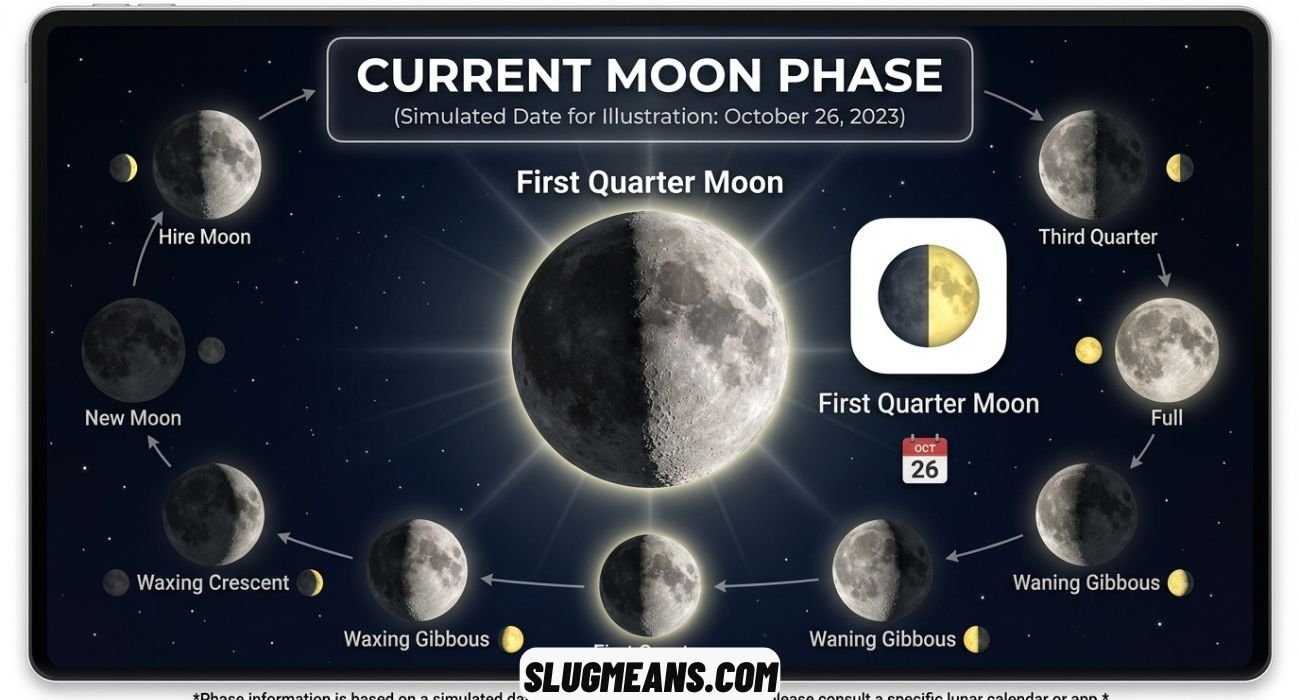
The Current Phase of the Moon as an Emoji means using the moon emoji that matches today’s real lunar phase. Each moon emoji represents one of the eight main moon phases. It helps people show the Moon’s current appearance in a simple way.
Many people use moon emojis every day, but they often choose the wrong one. Moon emojis do not change automatically with the real Moon. Learning the correct emoji makes your posts and messages more accurate.
The Current Phase of the Moon as an Emoji is useful for astronomy, calendars, social media, and astrology. You can check today’s moon phase and pick the matching emoji. This small step helps you share clear and correct information.
Understanding What Is the Current Phase of the Moon as an Emoji
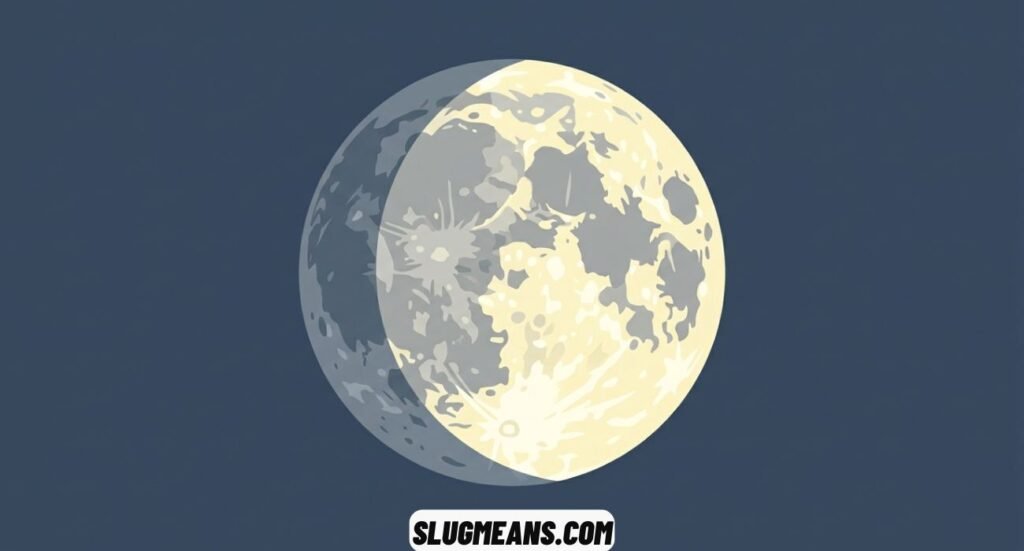
The current phase of the moon emoji refers to the emoji that best represents today’s actual lunar phase. Since the Moon changes its appearance every day during its approximately 29.5-day lunar cycle, people often search for the emoji that matches what they see in the sky.
However, there’s an important difference to understand. Moon emojis are not connected to live astronomical data. They are simply symbols that represent the eight major phases of the Moon. This means your phone won’t automatically update the emoji to reflect today’s lunar phase.
For example, if today happens to be a Full Moon, the correct emoji would be 🌕. If the Moon is in its Waxing Crescent stage, you would use 🌒 instead. The emoji itself never changes—it is up to the user to choose the one that matches the current lunar phase.
This is why many people search for phrases like:
- today’s moon emoji
- current moon phase emoji
- moon phase today
- which moon emoji should I use today
These searches all have the same goal: finding the emoji that accurately represents today’s Moon.
Understanding Moon Emojis: More Than Just Cute Icons
Moon emojis are much more than decorative symbols. They are based on the Moon’s natural cycle around Earth and represent different amounts of sunlight reflected from the Moon’s surface as viewed from our planet.
Each emoji corresponds to one of the major lunar phases. Together, they provide a simple visual way to represent the Moon throughout its monthly journey.
Every Moon Phase Emoji Explained
| Emoji | Moon Phase | Meaning |
| 🌑 | New Moon | The Moon is almost invisible from Earth. |
| 🌒 | Waxing Crescent | A small portion of the Moon becomes visible. |
| 🌓 | First Quarter | Half of the Moon appears illuminated. |
| 🌔 | Waxing Gibbous | More than half is visible before the Full Moon. |
| 🌕 | Full Moon | The Moon is completely illuminated. |
| 🌖 | Waning Gibbous | The illuminated portion begins shrinking. |
| 🌗 | Last Quarter | Half of the Moon remains visible. |
| 🌘 | Waning Crescent | Only a thin crescent remains before the New Moon. |
These emojis follow the official Unicode Standard, allowing them to appear on smartphones, computers, and websites worldwide. Although their designs vary slightly between Apple, Google, Samsung, and Microsoft devices, they all represent the same lunar phases.
Why People Use Moon Emojis
People use moon emojis for many different reasons.
Some include them in social media captions to celebrate a Full Moon, while others use them in digital journals to track their mood or daily reflections. Many astrology enthusiasts also choose moon emojis when discussing zodiac events, lunar rituals, or monthly forecasts.
Moon emojis have also become popular in education. Teachers and parents often use them to help children learn the Moon’s phases in a simple and visual way.
Because these emojis carry both scientific and symbolic meanings, they have become one of the most versatile emoji categories available today.
Do Moon Emojis Match the Real Moon Phase?
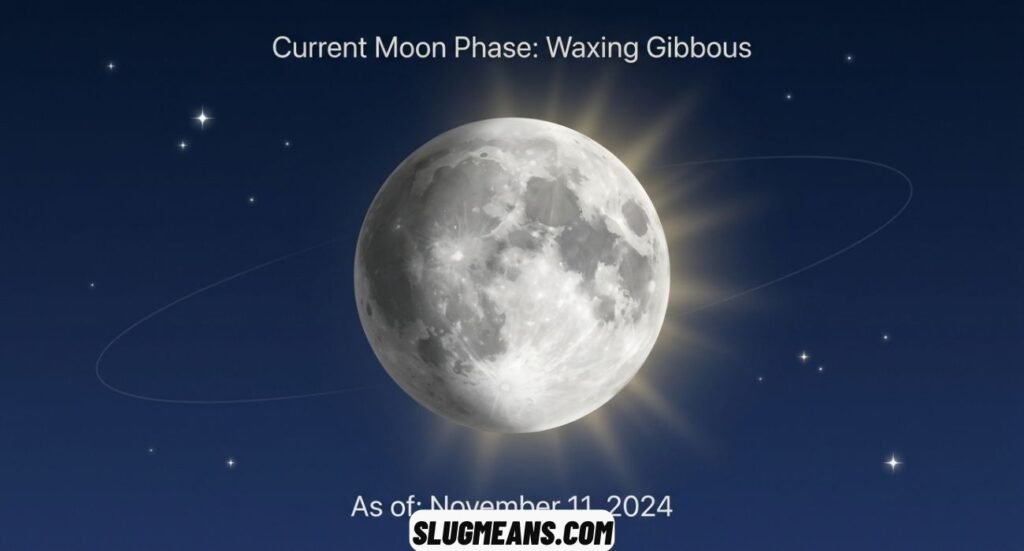
The simple answer is not automatically.
One of the biggest misconceptions is that the moon emoji on your phone somehow reflects the Moon currently visible in the sky. In reality, each emoji is a static image with a fixed meaning.
For example, imagine today is during a Waxing Gibbous phase. If you send 🌕 instead of 🌔, your emoji no longer represents today’s actual Moon. While this may not matter in a casual conversation, it can be confusing when discussing astronomy, lunar calendars, or moon observations.
The Moon changes a little every day because it orbits Earth approximately once every 29.5 days. Since emojis cannot update themselves based on live astronomical information, users need to check today’s lunar phase before choosing the correct emoji.
Why Emoji Representation Can Be Inaccurate
There are several reasons why moon emojis may not match the real Moon:
- Emojis are fixed images, not live animations.
- The Moon changes daily, while emojis never change.
- Different time zones may experience a lunar phase transition at different times.
- Most messaging apps don’t integrate real-time astronomical data.
Because of these limitations, checking today’s Moon before posting is the best way to ensure accuracy.
How Real-Time Moon Phases Differ from Emoji Representation
The real Moon is constantly moving around Earth, changing its appearance as sunlight strikes different parts of its surface. This continuous movement creates the familiar cycle of New Moon, First Quarter, Full Moon, and all the phases in between.
Moon emojis, on the other hand, are snapshots of these phases. They are designed to represent general stages rather than exact real-time conditions.
For example, the Moon may appear about 80% illuminated tonight. There isn’t a separate emoji for every percentage of illumination. Instead, users select the closest matching phase, such as 🌔 for a Waxing Gibbous Moon.
This distinction is important for anyone interested in space science, night sky observation, or accurate lunar tracking.
Real Moon vs. Moon Emoji
| Feature | Real Moon | Moon Emoji |
| Changes daily | ✅ Yes | ❌ No |
| Shows exact illumination | ✅ Yes | ❌ Represents only major phases |
| Updates automatically | ✅ Nature does | ❌ User chooses manually |
| Based on live astronomical data | ✅ Yes | ❌ No |
| Available on all devices | Visible in the sky | Available as Unicode emojis |
Understanding this difference helps you choose the most accurate current phase of the moon emoji whenever you share lunar updates, educational content, or social media posts.
Real-Time Moon Phases: How to Check the Actual Lunar Phase
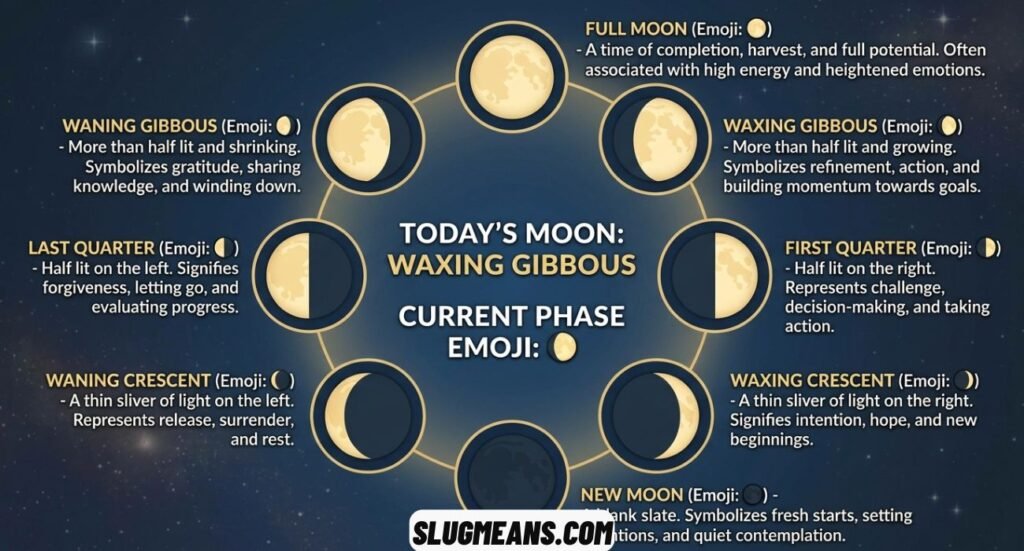
If you want to use the correct current phase of the moon emoji, the first step is knowing today’s actual Moon phase. Fortunately, several trusted resources make this easy.
The Moon completes one orbit around Earth in about 29.53 days, known as a synodic month. During this time, it moves through eight primary phases. Because the Moon changes a little each day, checking a reliable source ensures you choose the most accurate emoji.
Check Reliable Moon Phase Websites
Many astronomy websites update the Moon’s phase in real time using astronomical calculations rather than estimates. These websites often display:
- Today’s lunar phase
- Percentage of illumination
- Moonrise and moonset times
- Lunar calendar
- Upcoming Full Moon and New Moon dates
These details are especially helpful for photographers, campers, educators, and anyone interested in night sky observation.
Use Weather and Astronomy Apps
Many modern weather apps now include moon phase information alongside sunrise and sunset times. Dedicated astronomy apps provide even more details, including:
- Moon illumination
- Distance from Earth
- Zodiac position
- Lunar eclipse information
- Daily moon calendar
These apps make it easy to match today’s Moon with the correct emoji before posting on social media or messaging friends.
Search Engines Can Help
A quick search for phrases like:
- Moon phase today
- Today’s lunar phase
- Current moon phase USA
usually displays an instant answer at the top of search results. This makes it one of the fastest ways to identify the correct emoji.
Example
Suppose today’s Moon is reported as Waxing Crescent.
The correct emoji would be:
🌒 Waxing Crescent
If today’s Moon is Full Moon, the matching emoji becomes:
🌕 Full Moon
Checking first only takes a few seconds and helps ensure your post is both accurate and informative.
See Also : Moon Emoji Meaning: Complete Guide to Every
Tools to Check the Current Moon Phase Before Choosing an Emoji
Several trusted tools provide accurate real-time moon phase information. Whether you’re an amateur stargazer or simply want the right emoji, these resources are reliable and easy to use.
| Tool | Best For | Features |
| NASA | Scientific accuracy | Lunar missions, Moon data, educational resources |
| Time and Date | Everyday users | Daily moon phase, illumination, calendars |
| U.S. Naval Observatory | Astronomy enthusiasts | Precise lunar calculations |
| Weather Apps | Quick reference | Moon phase with daily weather |
| Astronomy Apps | Advanced users | Interactive sky maps and lunar tracking |
Why These Tools Are Helpful
These resources calculate the Moon’s position using astronomical models, not guesswork. They also account for factors such as:
- Earth’s rotation
- Moon’s orbit
- Time zone differences
- Exact illumination percentage
Because the Moon transitions gradually, checking a trusted tool ensures you’re using the most accurate moon phase emoji possible.
How to Match the Current Moon Phase to the Right Emoji
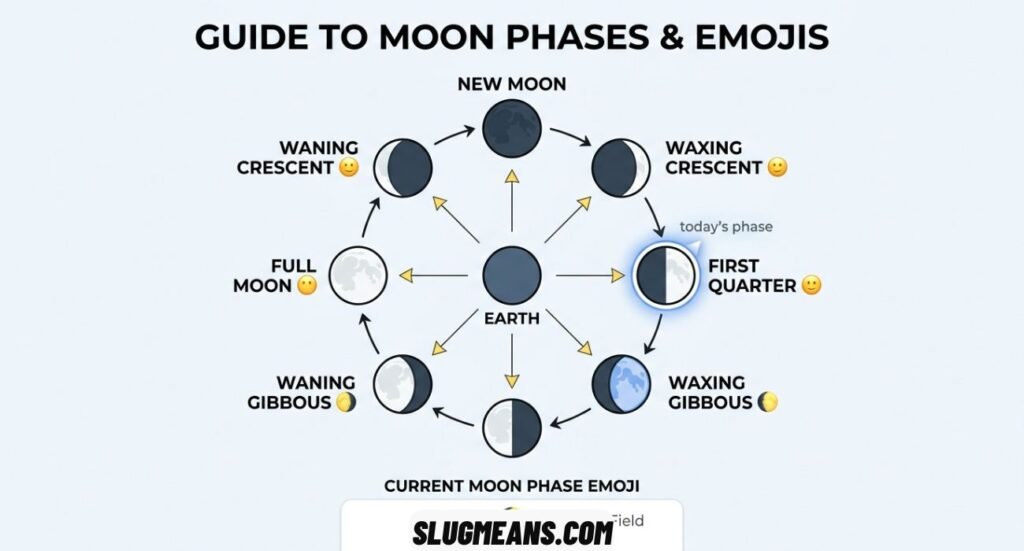
Matching today’s Moon with the correct emoji is much easier than many people think.
Simply follow these four steps.
Step 1: Check Today’s Moon Phase
Use a trusted moon calendar or astronomy app to identify today’s lunar phase.
Step 2: Find the Matching Emoji
Compare the reported phase with the emoji chart below.
| Lunar Phase | Emoji |
| New Moon | 🌑 |
| Waxing Crescent | 🌒 |
| First Quarter | 🌓 |
| Waxing Gibbous | 🌔 |
| Full Moon | 🌕 |
| Waning Gibbous | 🌖 |
| Last Quarter | 🌗 |
| Waning Crescent | 🌘 |
Step 3: Double-Check the Date
Moon phases can change during the day. If you’re posting late at night, it’s worth confirming that the phase hasn’t shifted.
Step 4: Use the Emoji Naturally
Instead of adding random moon emojis, use the one that genuinely matches today’s Moon.
For example:
“Tonight’s Full Moon looks incredible! 🌕”
or
“The Waxing Crescent is becoming brighter each evening. 🌒”
Using the correct emoji adds authenticity to your message.
Why Using the Right Moon Phase Emoji Matters
At first glance, choosing the right moon emoji may seem like a small detail. However, it can make a noticeable difference depending on the context.
Better Scientific Accuracy
If you’re discussing astronomy, teaching students, or sharing educational content, the correct emoji helps avoid confusion.
Imagine explaining the First Quarter Moon while using 🌕. Readers may assume you’re referring to a Full Moon, leading to misunderstandings.
More Meaningful Social Media Posts
Many creators schedule posts around important lunar events like the Full Moon or New Moon.
Using the correct emoji makes your content look more polished and trustworthy.
For example:
❌ Happy Full Moon! 🌒
✅ Happy Full Moon! 🌕
Even a small detail like this improves credibility.
Helpful for Astrology Communities
People interested in astrology, manifestation, or moon rituals often pay close attention to lunar phases.
Choosing the right emoji ensures your content aligns with the day’s actual lunar cycle, making it more meaningful for your audience.
Educational Benefits
Teachers frequently use moon emojis when introducing students to the Moon’s phases. Matching the correct emoji with each phase makes lessons easier to understand and more engaging.
Pros and Cons of Using Moon Emojis
| Pros | Cons |
| Easy visual representation | Not connected to live Moon data |
| Recognized worldwide | Designs vary across devices |
| Great for education | Can be used incorrectly |
| Helpful for social media | Doesn’t show exact illumination |
| Simple to remember | Requires users to check today’s phase manually |
Choosing the right current phase of the moon emoji may seem like a minor detail, but it improves communication, supports accurate learning, and helps your posts reflect the real beauty of the changing Moon.
See Also : 100+ Roasts That Rhyme: Clever, Funny & Savage Rhyming
Emoji Use in Astrology and Rituals
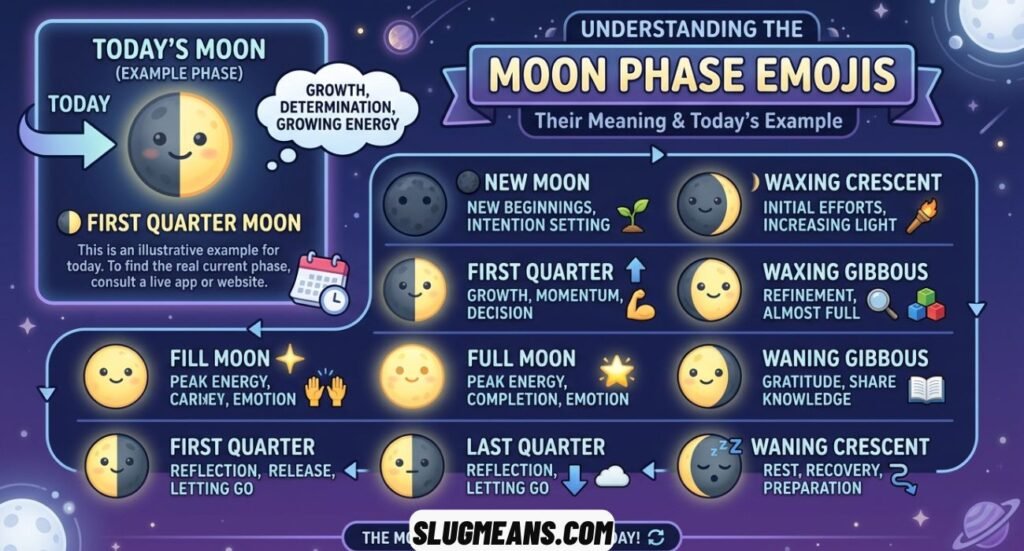
Moon emojis are not only popular in everyday conversations—they also play an important role in astrology, spiritual practices, and moon rituals. Many people use the current phase of the moon emoji to symbolize energy, intentions, and personal growth.
While astrology is based on belief rather than scientific evidence, millions of people around the world enjoy following the lunar cycle and using moon emojis to mark significant moments.
Why Astrologers Use Moon Emojis
In astrology, each lunar phase is believed to carry a unique meaning. Instead of writing out the phase every time, people often use the matching emoji to quickly represent it.
For example:
- 🌑 New Moon symbolizes new beginnings and setting intentions.
- 🌒 Waxing Crescent represents growth and taking action.
- 🌓 First Quarter is associated with making decisions and overcoming challenges.
- 🌔 Waxing Gibbous encourages refinement and preparation.
- 🌕 Full Moon represents completion, celebration, and heightened emotions.
- 🌖 Waning Gibbous is linked to gratitude and reflection.
- 🌗 Last Quarter symbolizes releasing old habits.
- 🌘 Waning Crescent represents rest, healing, and renewal.
Although these meanings vary between traditions, they are widely recognized within many astrology communities.
Full Moon Rituals
The Full Moon is often considered the most powerful phase in spiritual practices.
People may choose to:
- Write gratitude lists.
- Meditate outdoors.
- Journal personal achievements.
- Practice mindfulness.
- Spend time appreciating nature.
When sharing these moments online, the 🌕 emoji has become a universal symbol of the Full Moon.
New Moon Manifestation
The 🌑 New Moon is commonly associated with fresh starts.
Many people use this phase to:
- Set monthly goals.
- Create vision boards.
- Start new habits.
- Write affirmations.
- Plan future projects.
Whether or not someone believes in astrology, these activities can encourage reflection and intentional planning.
Moon Emojis in Online Communities
Moon emojis frequently appear on:
- Instagram captions
- TikTok videos
- Pinterest boards
- Digital journals
- Meditation apps
- Spiritual blogs
They help readers instantly recognize which lunar phase the content relates to.
Moon Emojis and Their Connection to Astrology Symbols
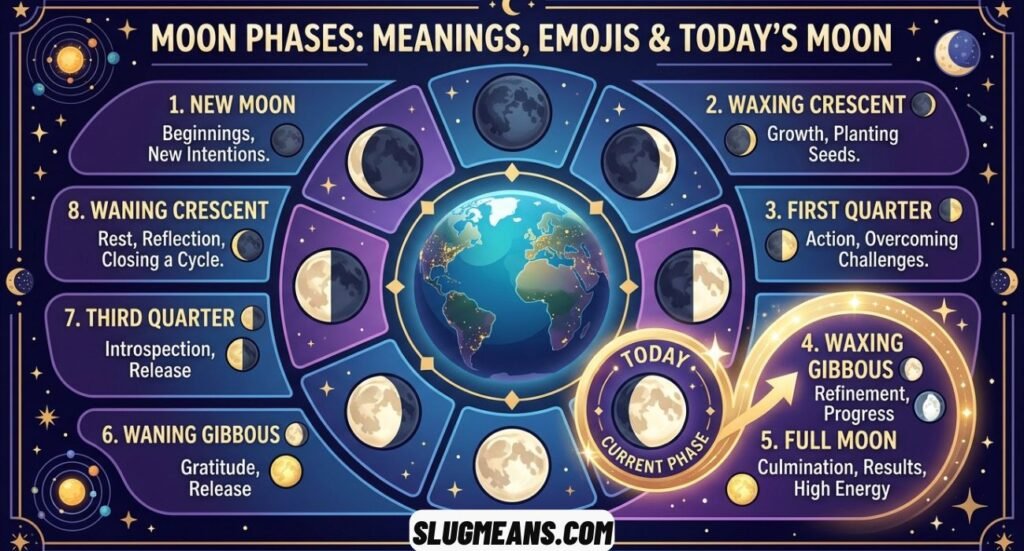
The connection between moon emojis and astrology symbols has grown stronger with the popularity of digital astrology apps and online communities.
Although moon emojis were originally designed to represent lunar phases, many people now use them alongside zodiac signs, birth charts, and planetary transits.
The Moon’s Role in Astrology
In astrology, the Moon is believed to represent:
- Emotions
- Intuition
- Habits
- Inner thoughts
- Personal comfort
Because the Moon changes signs approximately every two to three days, astrologers often monitor both the Moon’s phase and its zodiac position.
For example, someone might write:
“The 🌕 Full Moon in Aquarius is a great time to reflect on long-term goals.”
The emoji immediately tells readers which lunar phase is being discussed.
Moon Emoji Meanings in Astrology
| Emoji | Astrological Meaning |
| 🌑 | New beginnings |
| 🌒 | Growth and motivation |
| 🌓 | Action and choices |
| 🌔 | Progress and preparation |
| 🌕 | Completion and abundance |
| 🌖 | Gratitude and wisdom |
| 🌗 | Letting go |
| 🌘 | Healing and renewal |
These meanings are symbolic rather than scientific, but they remain popular across astrology platforms.
Using Moon Emojis in Journals
Many people enjoy keeping a moon journal.
For example:
July 10 🌑
Started a new fitness routine.
July 17 🌓
Making steady progress.
July 24 🌕
Reached my first milestone.
Adding emojis makes journals more visual and easier to review later.
Moon Emojis Across Platforms and Emoji Accuracy Differences
Although moon emojis represent the same lunar phases everywhere, they do not always look identical.
Different companies create their own emoji artwork while following the official Unicode Standard.
This means the 🌕 emoji on one phone may appear slightly different on another device.
Why Emoji Designs Differ
Each operating system has its own design team.
As a result:
- Apple uses detailed, realistic moon artwork.
- Google often favors a cleaner, flatter appearance.
- Samsung uses its own unique style.
- Microsoft has updated its moon emojis several times over the years.
Even though the artwork differs, the meaning stays the same.
Comparison of Major Platforms
| Platform | Appearance | Accuracy |
| Apple | Highly detailed | Excellent |
| Google Android | Clean and modern | Excellent |
| Samsung | Bright and colorful | Very Good |
| Microsoft | Simple design | Very Good |
| Uses system emoji | Depends on device |
If you send 🌕 from an iPhone to an Android phone, both users will understand it’s a Full Moon, even if the artwork isn’t identical.
Does This Affect Communication?
In most cases, no.
The Unicode code point behind the emoji remains the same. Only the artwork changes.
However, for educational materials or presentations, it’s helpful to know that screenshots from different devices may not look exactly alike.
Moon Emojis and Platform Differences
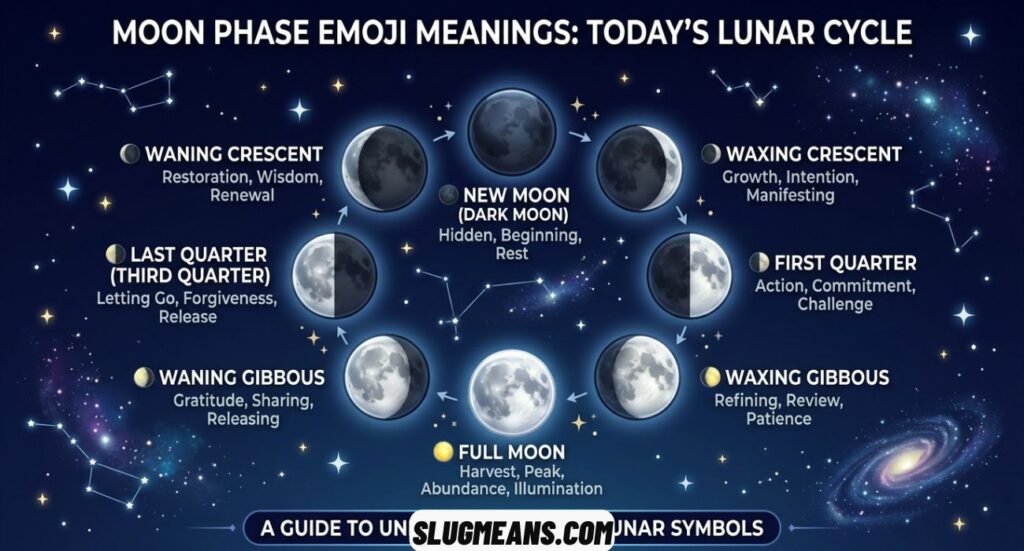
Most people assume emojis are universal, but their visual style depends on the device and software being used.
For example, a Waxing Crescent emoji on an iPhone may have softer shading, while the same emoji on an Android phone may appear brighter or slightly differently angled.
These design differences don’t change the emoji’s meaning, but they can affect how realistic it looks.
Unicode Keeps Everything Consistent
The Unicode Consortium assigns each moon emoji a unique code.
This ensures that:
- 🌑 always means New Moon.
- 🌒 always means Waxing Crescent.
- 🌓 always means First Quarter.
- 🌔 always means Waxing Gibbous.
- 🌕 always means Full Moon.
- 🌖 always means Waning Gibbous.
- 🌗 always means Last Quarter.
- 🌘 always means Waning Crescent.
Because every platform follows these standards, users can communicate consistently regardless of the device they use.
Which Platform Has the Most Realistic Moon Emojis?
There is no official ranking, but many users feel that Apple and Google offer the most detailed and visually appealing moon emoji designs.
Ultimately, the “best” platform comes down to personal preference. The important thing is choosing the emoji that matches the current phase of the moon emoji, not which version looks the most attractive.
Why This Matters More Than You Think
At first, using the correct current phase of the moon emoji may seem like a minor detail. However, it becomes much more important when you’re sharing educational content, discussing astronomy, following a lunar calendar, or participating in online astrology communities.
Choosing the right emoji improves clarity and helps others immediately understand which lunar phase you’re referring to. It also shows attention to detail, especially when writing blogs, creating social media content, or teaching about the Moon.
It Improves Scientific Communication
The Moon’s appearance changes every day as it orbits Earth. Using the correct moon phase emoji helps ensure your content matches the actual lunar phase.
For example, if you’re explaining the First Quarter Moon but use 🌕 instead of 🌓, readers may become confused. Small mistakes like this can reduce the accuracy of educational or scientific content.
Students, teachers, and astronomy enthusiasts benefit from using the correct emoji because it reinforces learning through visual association.
It Makes Social Media Content More Accurate
Moon emojis are commonly used in:
- Instagram captions
- X (formerly Twitter) posts
- Facebook updates
- TikTok videos
- Pinterest graphics
Imagine posting:
“Tonight’s Full Moon is absolutely beautiful! 🌕”
This looks much more accurate and professional than pairing the caption with the wrong emoji.
Content creators who regularly discuss moon phases, night photography, or space science often double-check the current lunar phase before publishing.
It Supports Better Learning
Visual learning is one of the easiest ways to remember information.
Many schools now include moon emojis when teaching the eight major lunar phases because students can quickly connect each emoji with its corresponding stage.
For example:
- 🌑 = New Moon
- 🌕 = Full Moon
- 🌘 = Waning Crescent
These simple visual cues improve memory and make lessons more engaging.
It Helps Astronomy Enthusiasts
If you enjoy:
- Stargazing
- Moon photography
- Camping
- Telescope observation
- Night hiking
then knowing today’s moon phase can help you plan activities more effectively.
For instance, photographers often prefer a Full Moon for bright landscape images, while astronomers may choose a New Moon for observing faint stars because there’s less moonlight.
Using the correct emoji in reports or journals makes your observations easier to organize.
It Reduces Misinformation
Many people mistakenly believe their phone automatically displays today’s Moon.
It doesn’t.
Moon emojis are static Unicode symbols, not live astronomical indicators.
Understanding this simple fact prevents misinformation and encourages users to verify today’s actual lunar phase before choosing an emoji.
See Also : Orange Heart Emoji Meaning
Expert Insight
Experts in astronomy and Unicode standards agree on one important point: moon emojis are designed to represent the Moon’s major phases, not real-time astronomical conditions.
Understanding this distinction helps users choose the correct emoji while avoiding common misconceptions.
What Astronomers Say
Professional astronomers explain that the Moon changes continuously throughout its 29.53-day lunar cycle.
Although we divide the cycle into eight major phases for simplicity, the Moon actually has countless subtle appearances between those phases.
This means no emoji can perfectly represent the Moon every single day.
Instead, users should select the emoji that most closely matches the current phase.
Why Unicode Created Moon Emojis
The Unicode Consortium introduced moon emojis to provide universal symbols that work across different devices and operating systems.
Their goal was consistency—not real-time tracking.
That’s why every smartphone includes the same set of moon emojis even though today’s Moon may look completely different.
Expert Tips for Choosing the Right Moon Emoji
If you regularly post about the Moon, consider these best practices:
- Check today’s moon phase using a trusted astronomy source.
- Match the phase with the correct emoji.
- Don’t assume your phone updates moon emojis automatically.
- Use emojis to support your content—not replace factual information.
- If discussing astronomy, mention the actual lunar phase by name.
These simple habits improve both accuracy and credibility.
How the Moon Changes Every Month
The Moon follows a regular cycle that lasts about 29.5 days. During this time, sunlight lights up different parts of the Moon as it moves around Earth. This creates the eight main moon phases that we see from our planet. Each phase has its own shape and name.
The Moon does not create its own light. It reflects sunlight, which is why its appearance changes throughout the month. Watching the Moon every night helps you understand this natural cycle. It also makes it easier to choose the correct moon emoji.
Common Mistakes When Using Moon Emojis
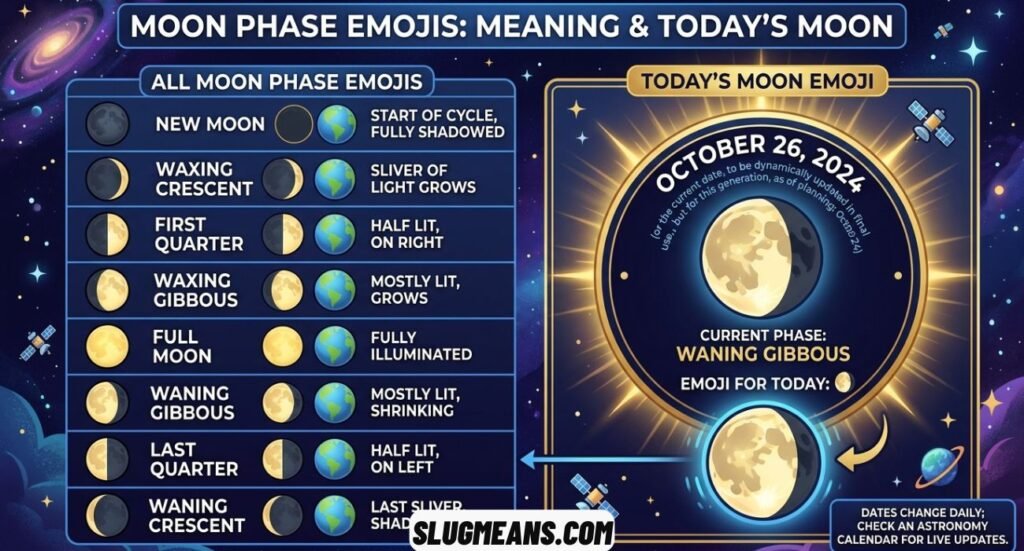
Many people use moon emojis because they look nice, but they often choose the wrong one. For example, someone may use the 🌕 Full Moon emoji even when the Moon is actually in its Waxing Crescent phase. This can make educational or astronomy-related posts less accurate.
A simple way to avoid mistakes is to check today’s moon phase before posting. A trusted moon calendar or astronomy app can help you find the correct phase in just a few seconds. Then you can use the matching emoji with confidence.
Fun Facts About Moon Phase Emojis
Moon emojis represent the eight major phases of the Moon, and they are part of the official Unicode Standard. This means people around the world can use the same moon emojis on different devices. Although the designs may look slightly different, their meanings stay the same.
The Full Moon emoji is one of the most popular moon emojis on social media. People often use it in posts about nature, camping, photography, and special lunar events. Moon emojis also appear in digital calendars, journals, and educational materials.
Best Ways to Use Moon Emojis
Moon emojis work well in text messages, social media captions, blogs, and school projects. They add a simple visual touch and help readers quickly understand which moon phase you are talking about. Using the correct emoji also makes your content more interesting.
If you write about astronomy, space, or the night sky, always match the emoji with the actual lunar phase. This small detail improves the quality of your content and shows that you care about accuracy.
Moon Emojis in Everyday Life
People use moon emojis for many different reasons every day. Some use them to celebrate a Full Moon, while others include them in travel journals, weather updates, or personal diaries. Teachers also use moon emojis to help students remember the different lunar phases.
Moon emojis are simple symbols, but they make learning more enjoyable. They help people connect science with everyday communication. By choosing the right moon emoji, you can share accurate information and make your messages more meaningful.
Quick Comparison: Real Moon vs. Moon Emoji
| Feature | Real Moon | Moon Emoji |
| Changes every day | ✅ Yes | ❌ No |
| Shows exact illumination | ✅ Yes | ❌ No |
| Based on live astronomical data | ✅ Yes | ❌ No |
| Easy to share online | ❌ No | ✅ Yes |
| Useful for education | ✅ Yes | ✅ Yes |
| Available on every device | ❌ Sky only | ✅ Yes |
Featured Snippet: What Is the Current Phase of the Moon Emoji?
The current phase of the moon emoji is the emoji that best matches today’s actual lunar phase. Moon emojis do not update automatically—they are fixed Unicode symbols representing the eight major phases of the Moon. To choose the correct emoji, first check today’s lunar phase using a reliable moon calendar or astronomy app, then select the matching emoji.
Frequently Asked Questions (FAQs)
What does the 🌘 emoji mean?
The 🌘 emoji represents the Waning Crescent Moon, the final major phase before the New Moon. It often symbolizes endings, reflection, rest, and preparing for a new beginning.
What is the current phase of the moon?
The current phase of the Moon changes daily during its 29.5-day lunar cycle. To know today’s exact phase, check a reliable moon phase calendar or astronomy app.
What does the 🌗 mean?
The 🌗 emoji represents the Last Quarter Moon (also called the Third Quarter Moon). It marks the stage when half of the Moon is illuminated as it moves toward the New Moon.
What are the phases of the 🌙?
The Moon has eight major phases: New Moon (🌑), Waxing Crescent (🌒), First Quarter (🌓), Waxing Gibbous (🌔), Full Moon (🌕), Waning Gibbous (🌖), Last Quarter (🌗), and Waning Crescent (🌘).
Conclusion
Understanding the Current Phase of the Moon as an Emoji helps you use the correct moon symbol in messages, social media posts, and learning activities. Each moon emoji shows one of the eight main lunar phases, but it does not change with the real Moon in the sky. You should check today’s moon phase before choosing an emoji. This simple habit makes your posts more accurate and helps you learn more about the Moon and its monthly cycle.
The Current Phase of the Moon as an Emoji also makes it easier to understand astronomy and enjoy the beauty of the night sky. You can use the right emoji to match a New Moon, Full Moon, or any other lunar phase. This small step improves your knowledge and helps you share correct information with others. Keep a moon phase calendar or a trusted app nearby so you can always choose the right moon emoji with confidence.