Edge Meaning Slang: What “Edge” Really Means Today
Edge Meaning Slang explains how the word edge is used in modern language. It describes confidence, intensity, and a strong personality. People use it to talk about style, attitude, or creative energy in simple ways.
Edge Meaning Slang appears often in daily speech and on social media. Many people hear the word edge but do not understand it clearly. This makes the meaning important to explain in easy and clear language.
Edge Meaning Slang connects modern words with youth culture. It helps people describe emotions, fashion choices, and behavior. The word shows how slang reflects identity and self-expression today.
What Does “Edge” Mean in Slang?
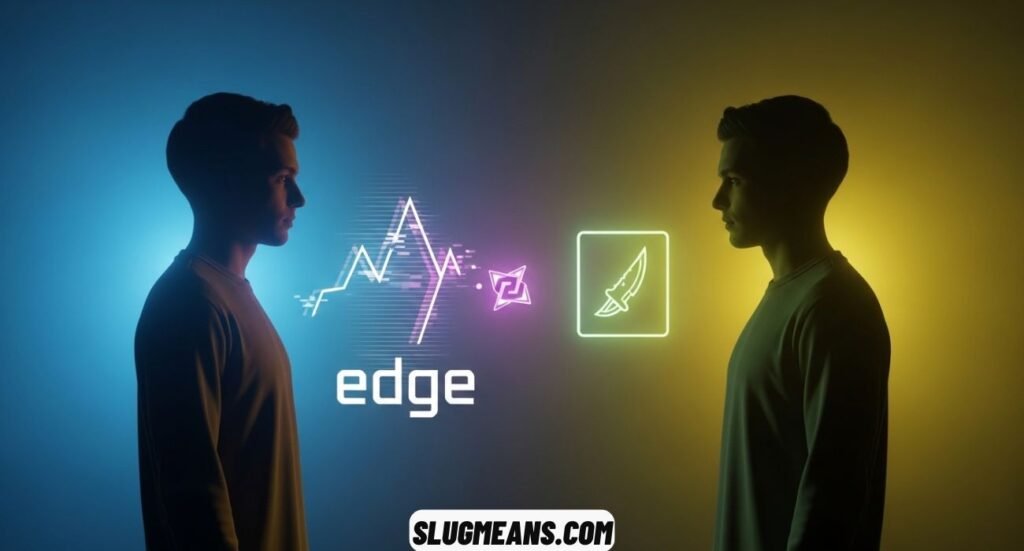
To understand what does edge mean in slang, think of it as a quality that makes someone or something stand out from the crowd. The meaning of edge in modern slang is not fixed to one definition. Instead, it describes a mix of boldness, intensity, confidence, mystery, and emotional depth. When people talk about edge, they are usually talking about a vibe or energy that feels sharp, powerful, and different.
The slang definition of edge often refers to personality, style, humor, or creativity. Someone with edge may not follow rules, may dress differently, or may express emotions in a raw and honest way. In edge meaning today, the word is flexible and emotional, which is why it fits so well into modern conversations.
The Rise of the Word “Edge” in Modern Culture
The word edge has existed for a long time, but its slang use exploded with the rise of social media and youth-driven online spaces. In the US, edge in modern culture became popular as people searched for short words to describe complex personalities and aesthetics. Platforms like TikTok, Instagram, and music streaming apps helped spread edge meaning Gen Z across the internet.
As part of internet slang culture, edge became a shortcut for describing someone who feels intense, creative, or unconventional. Instead of explaining a full personality, people could just say someone has edge, and others would instantly understand the vibe. This is why edge slang 2026 is still growing in popularity.
Why People Use the Word “Edge” Today
People use the word edge because it feels expressive and real. In modern conversations, especially among younger Americans, slang helps communicate identity quickly. The edge vibe meaning allows people to describe confidence, creativity, and emotional depth without sounding boring or formal.
In everyday online personality slang, someone may be called edgy if they challenge norms, speak honestly, or take creative risks. This also connects to youth identity language, where standing out matters more than fitting in. Edge signals individuality, which is highly valued today.
Types of “Edge” in Slang
The word edge does not mean the same thing in every situation. Its meaning changes depending on context, and understanding this helps explain edgy slang usage clearly.
Personality Edge
Edge personality meaning focuses on attitude and behavior. A person with personality edge often shows confidence, emotional control, and intensity. This connects closely with bold personality slang, intense personality traits, and expressive personality slang. These people may appear calm but powerful, quiet but unforgettable.
Style Edge
Style edge relates to appearance and fashion. Edge aesthetic meaning includes dark colors, strong contrasts, and bold choices. This links to alternative aesthetic meaning, dark aesthetic slang, and unconventional style meaning. Fashion with edge communicates confidence without words.
Artistic Edge
Artistic edge refers to creativity that feels raw and emotional. Music, art, or writing with edge often explores deep themes. This is where emotional intensity slang becomes important, because edge often reflects strong feelings expressed creatively.
Humor Edge
Humor with edge pushes boundaries. Edgy humor meaning includes sarcasm, dark jokes, and unexpected twists. It can be clever and meaningful, but it can also cross lines if done poorly.
Emotional Edge
Emotional edge shows vulnerability and depth. People with emotional edge feel things deeply and express them honestly. This often connects to edge confidence slang, because emotional honesty requires courage.
Positive vs Negative: Two Sides of “Edge”
Edge can be admired or criticized depending on how it is used. In positive situations, edge feels authentic and inspiring. In negative situations, it can feel forced or uncomfortable.
| Aspect | Positive Edge | Negative Edge |
| Expression | Natural and confident | Forced and attention-seeking |
| Humor | Smart and thoughtful | Offensive or unnecessary |
| Style | Unique and expressive | Trying too hard |
| Personality | Calm intensity | Emotional instability |
This table helps explain edge vs edgy meaning clearly. Having edge is often natural, while being edgy can feel exaggerated.
Examples of How “Edge” Is Used in Real Conversation
In real US conversations, edge appears in many casual situations. Someone might say, “Her music has edge,” meaning it feels emotional and powerful. Another person might say, “He’s acting edgy again,” pointing out forced behavior. These examples show how having edge meaning can change based on tone.
How “Edge” Differs from “Edgy”
Although edge and edgy come from the same word, their meanings are not identical. Edge usually feels positive or neutral, while edgy can be positive or negative. Edgy attitude meaning often suggests someone is trying to appear bold on purpose.
Understanding this difference helps avoid miscommunication in social media slang terms.
How “Edge” Connects to Fashion and Aesthetics
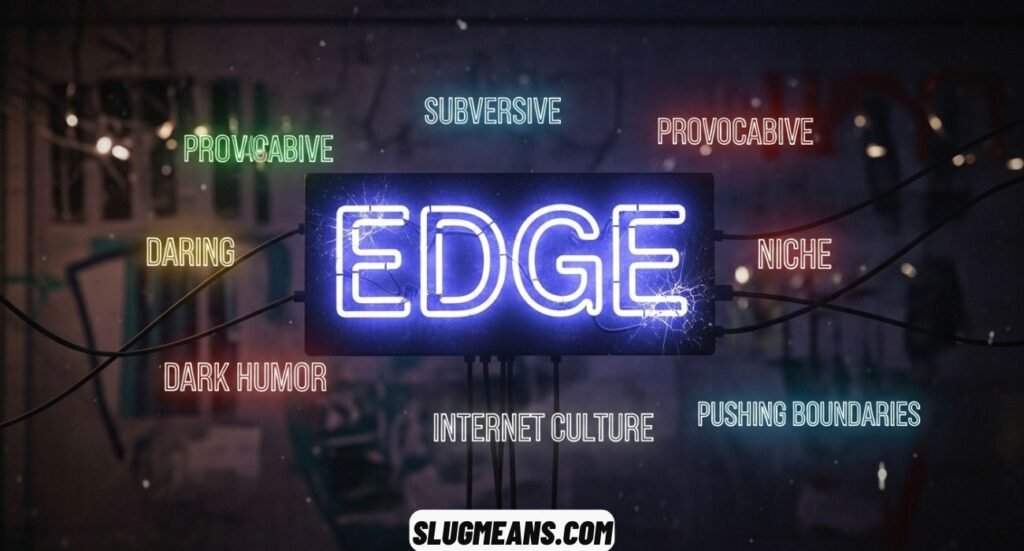
Fashion is one of the clearest places where edge shows up. In American youth culture, edge is visible through clothing choices that feel bold and expressive.
This ties into aesthetic slang terms and vibe slang explained across platforms like TikTok. People often describe outfits as edgy when they reflect confidence and individuality.
Edge in Music and Art
Music and art play a major role in shaping slang. Genres like alternative, punk, indie, and experimental music are often described as edgy. These styles express rebellion, emotion, and creativity, which reinforces rebellious personality slang and nonconformist attitude slang in cultural language.
Edge in Humor: When Jokes “Have Edge”
Edgy humor is popular but risky. In US culture, jokes with edge often deal with uncomfortable truths or social commentary. When done well, they feel intelligent and sharp. When done poorly, they feel offensive. This balance explains why edgy behavior slang can be either praise or criticism.
Psychological Roots of “Edge”
Psychologically, people are drawn to edge because it signals depth and authenticity. Humans remember intensity more than neutrality. Edge represents risk, mystery, and emotional truth, which are powerful social traits. This is why modern slang explained often focuses on emotional identity.
The Difference Between Real Edge and Fake Edge
Real edge comes from personality and experience. Fake edge is usually performative. In online personality slang, audiences quickly sense the difference. Authentic edge feels calm and confident, while fake edge feels loud and forced.
Does “Edge” Mean Someone Is Dark or Depressed?
No, edge does not automatically mean sadness or depression. While edge can include darker themes, it often reflects creativity, confidence, and emotional intelligence. This misunderstanding comes from mixing edge with stereotypes about darkness.
Why “Edge” Is So Popular Among Young People
Young Americans, especially Gen Z, use edge because it matches their focus on identity. Gen Z slang meanings often center around self-expression, aesthetics, and emotional honesty. Edge fits perfectly into TikTok slang meanings and modern digital culture.
Modern Variations and Related Slang
Edge connects to many related slang terms. Words like vibe, alternative, dark aesthetic, and chaotic energy help expand meaning. These terms support edge meaning today by adding nuance and context.
When “Edge” Becomes a Compliment
Edge becomes a compliment when it highlights creativity, confidence, or authenticity. Saying someone has edge often means they are interesting and expressive. This positive usage is common in art, fashion, and personality discussions.
When “Edge” Becomes an Insult
Edge turns negative when it feels forced. Calling someone edgy can suggest they are trying too hard or being offensive. Context and tone matter greatly in these situations.
Quick Examples of the Word “Edge” in Sentences
People may say, “Her writing has edge,” to praise creativity. Another might say, “That comment was edgy,” to criticize tone. These simple examples show how flexible the word is.
Internal/External Link Suggestions (No URLs)
Related content ideas include guides on slang meanings, Gen Z language, aesthetic culture, personality psychology, and modern youth trends. These topics help build deeper understanding and context.
How the Slang Word “Edge” Changed Everyday Language
The slang word edge slowly moved from literal meaning to cultural expression. In modern American conversations, edge is no longer about sharp objects or borders. Instead, it describes people, ideas, or styles that feel intense, bold, or different. This shift happened as slang evolved to express personality and emotion faster.
Today, edge is used in casual speech, social media captions, and creative spaces. It allows people to explain complex vibes in one word. This is why edge feels powerful in language. It captures attitude, confidence, and individuality without long explanations, making it perfect for fast online communication.
See Also : POS Meaning in Slang: The Shocking Truth Behind This Viral Term
Why “Edge” Feels Powerful in Modern Conversations
Edge feels powerful because it signals confidence and depth. When someone says a person has edge, it suggests they stand out naturally. There is an emotional weight to the word that makes it more meaningful than simple compliments like cool or nice. Edge implies strength and presence.
In American slang culture, words that carry emotion last longer. Edge survives because it connects to identity and self-expression. It helps people describe intensity, mystery, and boldness in a way that feels modern and authentic, especially in digital conversations.
The Role of Social Media in Popularizing “Edge”
Social media platforms played a major role in spreading edge as slang. Short videos, captions, and comments need quick words that explain personality or style. Edge became popular because it works well in these spaces. One word can describe an entire vibe.
On platforms like TikTok and Instagram, edge is often used to describe fashion, music, or attitude. Influencers and creators helped normalize the term. As a result, edge became part of everyday online language, especially among younger users.
How “Edge” Describes Personality in Slang
When edge is used to describe personality, it usually points to confidence mixed with intensity. Someone with edge may be quiet but powerful, calm but emotionally deep. This personality edge feels natural and does not need attention to be noticed.
In slang, personality edge is often admired. It suggests independence and emotional control. People with edge are seen as memorable because they do not follow norms blindly. This makes the word popular when describing strong or expressive individuals.
The Difference Between Confidence and Edge
Confidence and edge are related but not the same. Confidence means believing in yourself, while edge adds intensity and uniqueness. A confident person may be friendly and open, but a person with edge often feels mysterious and bold at the same time.
Edge includes emotional depth and risk-taking. In slang usage, edge suggests that confidence is paired with creativity or rebellion. This combination makes edge feel more complex and interesting than confidence alone in modern language.
Why Edge Is Often Linked to Creativity
Edge is strongly connected to creativity because creative work often pushes boundaries. Music, art, and writing with edge feel raw and emotional. This type of creativity stands out because it is honest and sometimes uncomfortable, which makes it powerful.
In slang, saying something has edge means it is not boring or safe. Creative edge signals originality and courage. This is why artists, designers, and musicians are often described as having edge in modern conversations.
When “Edgy” Becomes Negative in Slang
While edge is often positive, edgy can turn negative when it feels forced. In slang, calling someone edgy may suggest they are trying too hard to shock or appear different. This happens when behavior feels fake or attention-seeking.
Negative edgy behavior often lacks authenticity. People can sense when edge is not natural. In these cases, edgy becomes a criticism rather than a compliment, showing how tone and context matter in slang usage.
How Fashion Helps Express Edge
Fashion is one of the clearest ways people show edge. Clothing choices that break norms or feel bold often communicate attitude without words. In slang, edgy fashion usually means strong visuals and confident styling.
Edge in fashion is not about trends alone. It is about expression. People use style to show independence and personality. This is why edge is often used when talking about alternative or expressive fashion choices.
Why Young People Use “Edge” So Often
Young people use edge because it matches their focus on identity and self-expression. Slang helps them explain who they are and how they feel. Edge fits perfectly because it combines emotion, confidence, and individuality.
In youth culture, standing out matters. Edge allows young people to describe themselves or others in a way that feels meaningful. This makes the word popular across social media, music, and everyday conversations.
See Also : YT Meaning Slang: What It Really Means on TikTok
Why “Edge” Will Stay Relevant in Slang
Edge will likely remain relevant because it adapts easily. The word can describe personality, humor, art, or fashion. This flexibility keeps it useful even as trends change. Slang words that survive usually have this kind of range.
As long as people value individuality and expression, edge will stay in use. It reflects how modern culture thinks about confidence, creativity, and identity. That lasting relevance makes edge one of the strongest slang terms today.
FAQs
What is the edge in Gen Z slang?
In Gen Z slang, edge means having a bold, confident, or intense vibe that makes someone feel unique and expressive.
It often describes personality, style, or attitude that stands out naturally.
What does edge mean for boys?
For boys, edge usually means confidence mixed with mystery, emotional depth, or a slightly rebellious attitude.
It suggests strength, calm intensity, and individuality rather than loud behavior.
What does it mean if a person has an edge?
If a person has an edge, it means they have a strong presence, authentic confidence, or creative intensity.
They stand out without trying too hard and leave a memorable impression.
What is the meaning of edge?
In modern slang, edge means a sharp, unconventional quality in personality, style, or behavior.
It reflects confidence, individuality, and emotional or creative depth.
Final Thoughts
The term Edge Meaning Slang helps people understand modern personality and culture in a simple way. Edge describes confidence, creativity, and strong identity. Many young people use this word to express style, attitude, or emotional depth. The word edge shows how language grows with culture and reflects how people want to stand out while staying true to themselves.
Understanding Edge Meaning Slang makes conversations clearer and more meaningful. It allows students and readers to recognize confidence, authenticity, and self-expression in others. This slang term does not promote negativity. Instead, it highlights individuality and creative strength. Learning such words improves communication and helps young people better understand modern social language.